
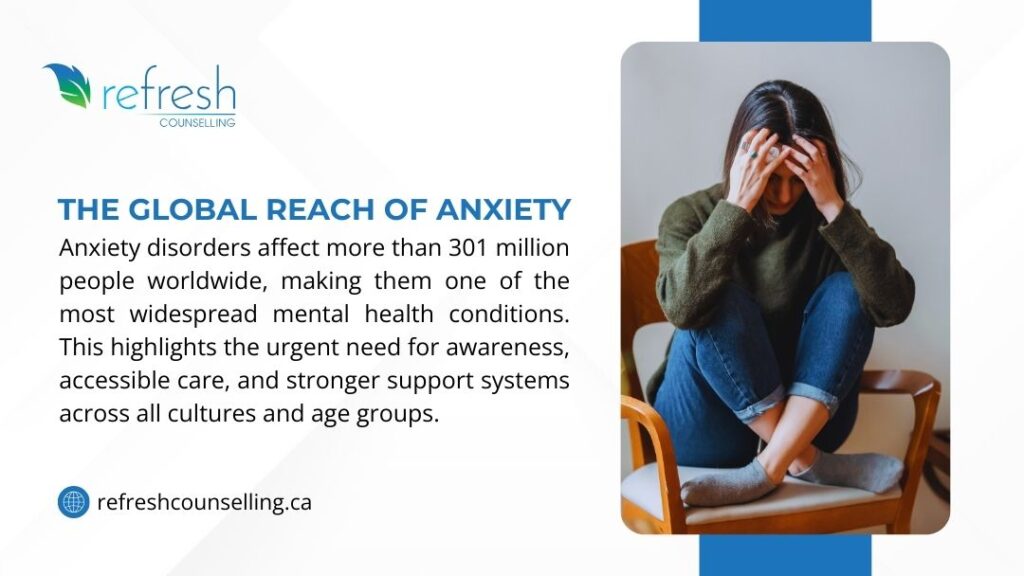
Anxiety affects millions of people worldwide, yet many struggle to understand what they’re experiencing or how to find effective help. This common mental health condition goes beyond typical stress or worry, creating persistent challenges that can significantly impact daily life, relationships, and overall well-being.
The good news is that anxiety is highly treatable, and countless individuals have found relief through proper understanding, support, and professional intervention. Recognizing the signs and knowing when to seek help marks the beginning of a journey toward better mental health.
Recognizing Anxiety in Its Various Forms
Anxiety manifests differently across individuals, making it sometimes difficult to identify. Unlike occasional nervousness before important events, clinical anxiety tends to be persistent, excessive, and often interferes with normal daily activities. The condition involves both psychological and physical components that can create a cycle of worry and discomfort.
Common manifestations include excessive worry about future events, difficulty controlling anxious thoughts, physical symptoms like increased heart rate or sweating, trouble sleeping, and avoidance of certain situations or activities. Some people experience sudden, intense episodes of fear known as panic attacks, while others deal with more generalized, ongoing worry.
The intensity and frequency of these symptoms often distinguish normal stress responses from anxiety disorders that may benefit from professional treatment. Understanding these differences helps individuals make informed decisions about seeking support.
The Wide-Ranging Impact of Anxiety on Daily Life
| Area of Impact | Common Effects | Long-term Consequences |
| Work/School Performance | Difficulty concentrating, procrastination | Decreased productivity, missed opportunities |
| Relationships | Social withdrawal, irritability | Strained connections, isolation |
| Physical Health | Sleep disruption, muscle tension | Chronic fatigue, digestive issues |
| Personal Activities | Avoidance behaviors, loss of interest | Reduced quality of life, depression |
The effects of anxiety extend far beyond mental discomfort. Physical symptoms can include headaches, digestive problems, muscle tension, and chronic fatigue. These bodily manifestations often surprise people who think of anxiety as purely psychological.
Socially, anxiety can lead to isolation as individuals avoid situations that trigger their symptoms. This withdrawal can strain relationships with family, friends, and colleagues. Professionally, anxiety might affect concentration, decision-making, and overall job performance, potentially impacting career advancement.
Sleep disturbances are particularly common, creating a cycle where poor rest makes anxiety worse, which in turn makes quality sleep even more difficult to achieve. This interconnected nature of symptoms explains why comprehensive treatment approaches often prove most effective.
Different Types of Anxiety Disorders
Mental health professionals recognize several distinct anxiety disorders, each with unique characteristics and treatment considerations. Generalized Anxiety Disorder involves persistent worry about multiple life areas without specific triggers. Social Anxiety Disorder centers on fear of social situations and potential judgment from others.
Panic Disorder features recurring panic attacks accompanied by physical symptoms like chest pain, shortness of breath, and feelings of impending doom. Specific phobias involve intense fear of particular objects or situations, such as heights, animals, or medical procedures.
Post-Traumatic Stress Disorder can develop after experiencing or witnessing traumatic events, while Obsessive-Compulsive Disorder combines unwanted thoughts with repetitive behaviors. Each type requires tailored treatment approaches for optimal outcomes.
Evidence-Based Treatment Approaches for Anxiety
Modern mental health treatment offers several proven approaches for addressing anxiety disorders. Cognitive Behavioral Therapy stands as one of the most researched and effective treatments, helping individuals identify and change thought patterns that contribute to anxious feelings.
Exposure therapy gradually helps people face feared situations in controlled, supportive environments, reducing avoidance behaviors over time. Mindfulness-based interventions teach individuals to observe their thoughts and feelings without judgment, often reducing the intensity of anxious experiences.
Some people benefit from medication as part of their treatment plan, particularly when anxiety significantly interferes with daily functioning. Anti-anxiety medications and certain antidepressants have shown effectiveness for various anxiety disorders when prescribed and monitored by qualified healthcare providers.
Group therapy and support groups provide opportunities to connect with others facing similar challenges, reducing feelings of isolation while learning from shared experiences.
Lifestyle Factors That Support Anxiety Management
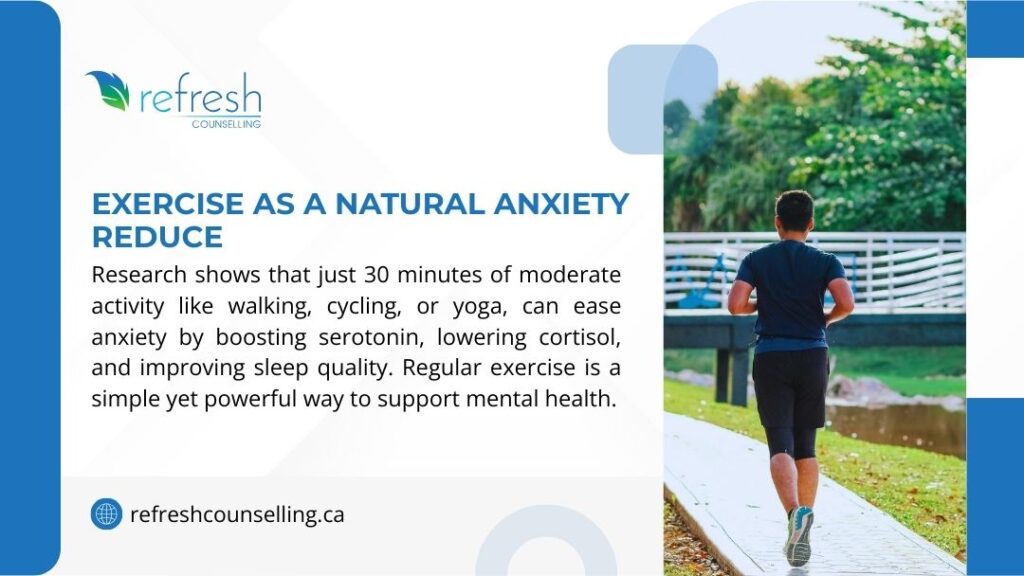
Beyond professional treatment, several lifestyle modifications can support anxiety management and overall mental health. Regular physical exercise has demonstrated significant benefits for reducing anxiety symptoms, as physical activity helps regulate stress hormones and promotes the release of mood-enhancing chemicals.
Sleep hygiene plays a crucial role in anxiety management. Maintaining consistent sleep schedules, creating restful environments, and avoiding stimulating activities before bedtime can improve sleep quality and reduce anxiety symptoms.
Nutrition also impacts mental health, with some research suggesting that limiting caffeine and alcohol while maintaining balanced, regular meals can help stabilize mood and energy levels. Staying hydrated and avoiding excessive sugar intake may also contribute to better anxiety management.
Building strong social connections provides essential emotional support, while stress management techniques like deep breathing, progressive muscle relaxation, and time management can offer practical tools for handling anxious moments.
When to Consider Professional Help
While self-care strategies can be really helpful in managing anxiety, sometimes you need more support, and that’s completely okay. If anxiety is getting in the way of your daily life – making it hard to show up at work or school, straining your relationships, or keeping you from doing things you need or want to do – it might be time to reach out for professional help.
When anxiety starts leading to avoidance, like skipping important activities or pulling back from relationships, or if you’re noticing it’s contributing to depression or substance use, mental health professionals can offer the expertise and support you need. The good news is that getting help early often leads to better outcomes and can prevent anxiety from taking over more of your life.
Mental health professionals have specialized training in proven, evidence-based treatments. They can do thorough assessments to figure out exactly what type of anxiety you’re dealing with and whether there’s anything else going on alongside it.
Building Long-Term Strategies for Anxiety Management
Successful anxiety management often involves developing comprehensive, long-term strategies rather than relying solely on crisis intervention. This includes learning to identify early warning signs, developing personalized coping toolkits, and maintaining consistent self-care practices.
Creating structure and predictability in daily routines can help reduce anxiety triggers, while building problem-solving skills increases confidence in handling challenging situations. Regular check-ins with mental health professionals help maintain progress and adjust strategies as needed.
Recovery from anxiety disorders is possible, though the journey may include ups and downs. Understanding that setbacks are normal parts of the healing process helps maintain motivation and prevents discouragement during challenging periods.
Take the First Step Toward Better Mental Health Today
Living with anxiety doesn’t have to be a permanent struggle. Professional support can make a tremendous difference in learning to manage symptoms and reclaim quality of life. At Refresh Counselling, experienced mental health professionals specialize in treating various anxiety disorders using evidence-based approaches tailored to individual needs.
The team understands that each person’s experience with anxiety is unique, and treatment plans are developed collaboratively to address specific concerns and goals. Whether dealing with generalized worry, social anxiety, panic attacks, or other anxiety-related challenges, professional support provides the tools and guidance needed for lasting recovery.
Don’t let anxiety continue to limit life’s possibilities. Contact Refresh Counselling today to schedule a consultation and begin the journey toward better mental health and improved well-being. Professional help is available, and recovery is possible.