
Sibling Rivalry or Sibling Bullying: When to Step In and How to Foster a Healthy Home
Growing up with brothers or sisters is often described as having built-in best friends for life. However, for many parents, the reality of daily life feels less like a heartwarming montage and more like a never-ending wrestling match punctuated by door slamming and shouting.
At Refresh Counselling, we often hear from parents who are exhausted by the constant friction in their homes. They find themselves wondering: “Is this just how kids are, or is something deeper going on?”
Understanding the line between healthy sibling rivalry and harmful sibling bullying is crucial for the emotional well-being of your children and the peace of your household. In this guide, we’ll explore how to identify these dynamics and how you can move from being a “referee” to a “coach.”
Defining the Line: Rivalry vs. Bullying
Conflict is a natural part of human relationships. Siblings provide a “testing ground” where children learn how to negotiate, share, and resolve disagreements. However, not all conflict is created equal.
Sibling Rivalry (The Normal Stuff)
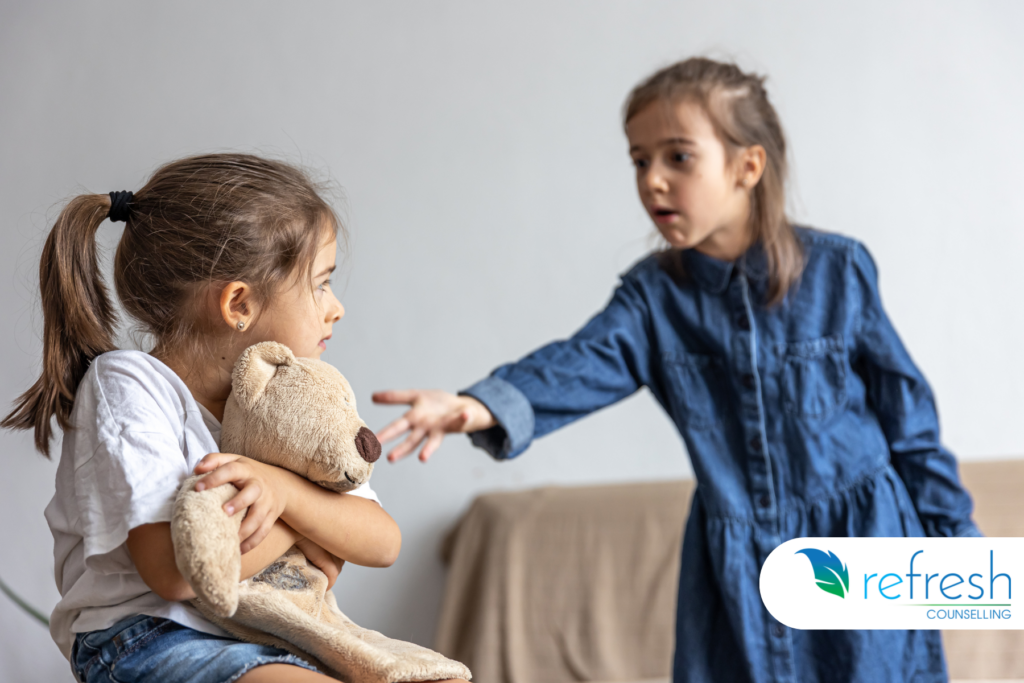
Sibling rivalry is generally characterized by competition. Children may vie for their parents’ attention, the last slice of pizza, or the front seat of the car. It is often impulsive and short-lived. In these cases, the “power” fluctuates—one day the older sibling wins, the next day the younger one gets their way.
Sibling Bullying (The Red Flags)
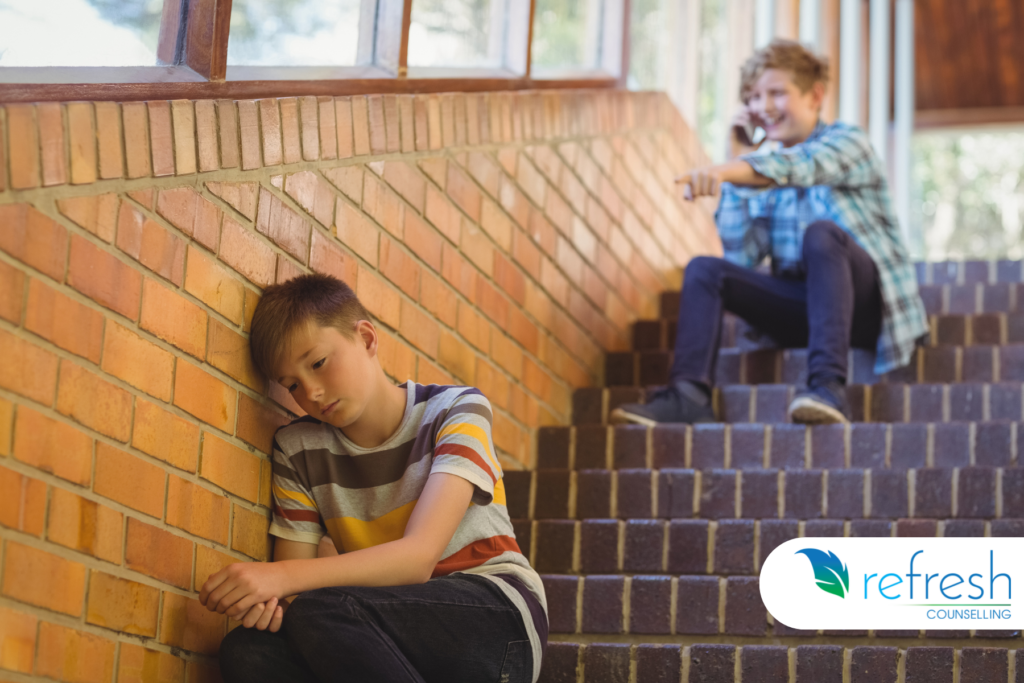
Sibling bullying is different. It involves a persistent power imbalance. It isn’t just about a toy; it’s about one child asserting dominance over another through fear, humiliation, or physical aggression. If one child is consistently the victim and feels unsafe in their own home, it is no longer “normal” rivalry.
Key Differences at a Glance
| Feature | Sibling Rivalry | Sibling Bullying |
|---|---|---|
| Frequency | Occasional or situational. | Persistent and repetitive. |
| Power Balance | Relatively equal; kids take turns “winning.” | Constant power imbalance; one child dominates. |
| Intent | Impulsive; driven by frustration or desire. | Targeted; intended to hurt, humiliate, or control. |
| Outcome | Kids can often move on or play together later. | The victimized child feels anxious, lonely, or unsafe. |
| Remorse | Usually present after the heat of the moment. | Little to no remorse; victim-blaming (“They deserved it”). |
The Invisible Architects: Temperament, Age, and Neurodiversity
Why do some siblings get along famously while others seem like oil and water? It’s rarely about “bad parenting.” Often, it’s about the unique makeup of each child.
The Role of Temperament
Some children are born with “big emotions” or lower frustration tolerance. If you have one child who is highly sensitive and another who is assertive and energetic, their natural temperaments may clash. The assertive child may unintentionally steamroll the sensitive one, leading to a cycle of resentment.
Age Gaps and Developmental Stages
A three-year age gap looks very different at ages 2 and 5 than it does at 15 and 18. Younger children may lack the verbal skills to express their needs, leading to biting or hitting. Conversely, older siblings may feel burdened by the responsibility of “watching” a younger sibling, leading to resentment that manifests as mean-spiritedness.
Coaching vs. Refereeing: A Paradigm Shift
When the screaming starts, most parents’ first instinct is to rush in, find out who started it, and hand out a punishment. This is refereeing. While it stops the immediate fight, it doesn’t teach the children how to do better next time.
Coaching, on the other hand, focuses on skill-building.
How to Move into a Coaching Role:
- Neutral Observation: Instead of asking “Who started it?” (which encourages lying and blame), describe what you see: “I see two kids who both want the same truck and look very frustrated.”
- Emotional Labeling: Help your children find words for their feelings. “It sounds like you felt embarrassed when your brother laughed at your drawing.”
- The “Repair” Process: Punishment often breeds more resentment. Instead, focus on repair. Ask the child who caused the harm: “What can you do to make your sister feel better/fix what was broken?”
- Problem-Solving Together: Once everyone is calm, sit them down and ask: “We have one iPad and two people who want it. What is a fair way to handle this?” Let them generate the solutions.

When to Step In (And How)
Knowing when to intervene is an art form. If you step in too early, they never learn to negotiate. If you step in too late, someone gets hurt.
Intervene Immediately If:
- There is physical danger: Hitting, kicking, or using objects as weapons.
- The language is abusive: Using “soul-crushing” insults or targeting a sibling’s insecurities.
- The “Vibe” is Fearful: If you notice one child physically cowering or constantly “walking on eggshells” around the other.
How to Intervene:
- Separate First: Don’t try to solve the problem while they are in “fight or flight” mode. Send them to different rooms to cool down.
- Avoid the “Victim/Villain” Narrative: While you must protect the victim, labeling the other child as “the mean one” or “the bully” can cause them to internalize that identity, making the behavior worse. Focus on the behavior, not the identity.
How Counselling Supports the Whole Family System
Sibling dynamics don’t exist in a vacuum; they are part of the larger family ecosystem. Often, the friction between children is a symptom of patterns within the family that need shifting.
Counselling at Refresh Counselling provides a safe, neutral space to address these complexities.
Resetting Family Patterns
Sometimes, parents unintentionally fuel rivalry. We might say, “Why can’t you be more like your sister?” or allow the “older child” to always have the final say. A therapist helps parents identify these subtle “favoritism narratives” and replace them with a culture of fairness.
Restoring Safety
If sibling bullying has occurred, the home no longer feels like a sanctuary. Therapy helps the child who was bullied regain their sense of voice and boundaries, while helping the child who was acting out understand the impact of their actions and learn healthier ways to seek power or attention.
Building a “Team” Culture
Through family sessions, we work on shifting the dynamic from “Me vs. You” to “Us vs. The Problem.” We teach communication tools that help siblings see each other as allies rather than obstacles.
| What Counselling Provides | The Impact on the Family |
|---|---|
| Parent Coaching | Parents feel more confident and less “burnt out” by conflict. |
| Emotional Regulation Skills | Children learn how to manage anger without hurting others. |
| Boundary Setting | Each child learns that their body and feelings are respected. |
| Conflict Resolution | The family develops a “playbook” for handling disagreements. |
Final Thoughts: The Goal Isn’t Zero Conflict
The goal of a healthy sibling relationship isn’t a home where no one ever fights. That’s unrealistic. The goal is a home where conflict is handled with respect, where power is shared, and where every child feels fundamentally safe and valued.
If your home feels like a constant battleground, or if you’re worried that your children’s relationship is moving from “rivalry” into “bullying,” you don’t have to navigate it alone.
At Refresh Counselling, we specialize in helping families restore peace and connection. Whether you need individual support for a child struggling with regulation or family sessions to reset your home’s dynamic, we are here to help.
Book a consultation with Refresh Counselling today and let’s start building a healthier foundation for your children’s future.