
Keeping Calm Through the PATs: Helping Kids Manage Test Anxiety
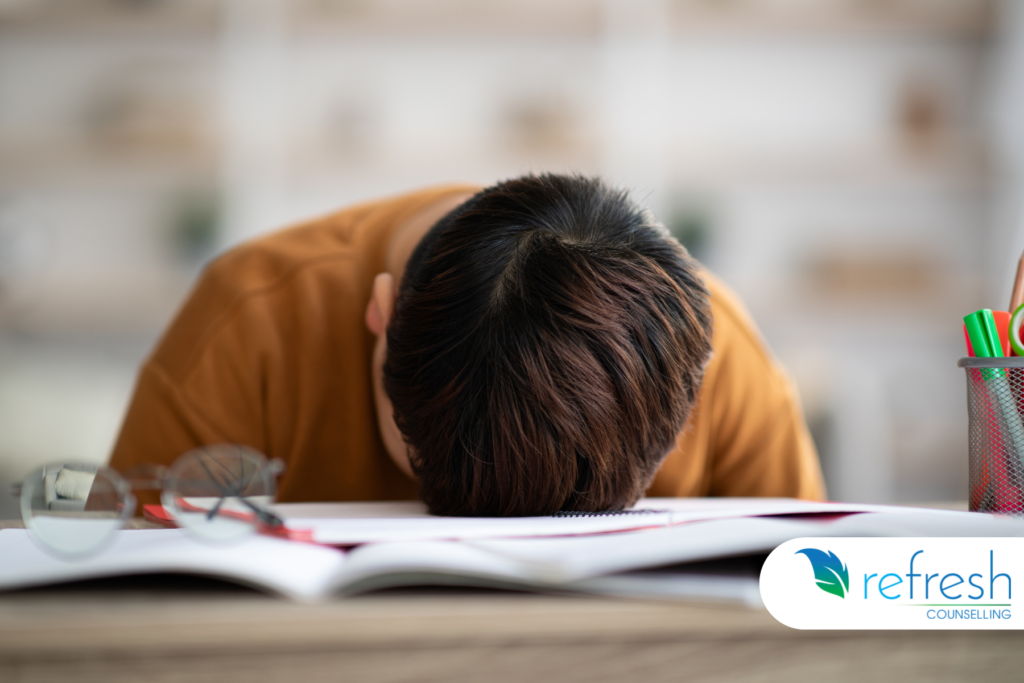
As the spring air settles in across Alberta, families with children in Grades 3, 6, and 9 often feel a shift in the household atmosphere. The Provincial Achievement Tests (PATs) are approaching. While these assessments are designed to monitor student learning and help the province maintain high educational standards, for many students—and their parents—they represent a significant source of dread.
At Refresh Counselling, we believe that while the PATs are a milestone within the school year, they don’t have to be a source of trauma. With the right tools, parents can help their children navigate this season with resilience and confidence. This guide is designed to help you understand the nature of test anxiety and provide practical, actionable strategies to keep the “calm” in your home.
1. Understanding Anxiety vs. Stress: What’s Normal?
It is perfectly normal for a child to feel “butterflies” before a big event. In fact, a small amount of stress—known as eustress—can actually improve performance by increasing focus and energy. However, there is a line where helpful stress crosses over into debilitating anxiety.
Stress is typically a response to an external trigger (like the PATs) and subsides once the event is over. Anxiety, on the other hand, is a persistent feeling of apprehension or dread that can occur even when the “threat” isn’t immediate.
Signs of Test Anxiety to Watch For:
- Physical: Headaches, stomach aches, nausea, or trouble sleeping.
- Emotional: Irritability, crying spells, or sudden outbursts of anger.
- Cognitive: Negative self-talk (“I’m going to fail,” “I’m stupid”) or “blanking out” during practice questions.
- Behavioural: Avoiding school, procrastinating on studying, or withdrawing from friends and family.
Comparing Stress and Anxiety
| Feature | Normal Test Stress | Test Anxiety |
|---|---|---|
| Duration | Lasts for a short period before the exam. | Persistent for weeks; lingers after studying. |
| Impact | May cause slight jitters but focus remains. | Can cause “brain fog” or total avoidance. |
| Physicality | Mild butterflies or excitement. | Panic attacks, racing heart, or physical illness. |
| Self-Talk | “I hope I do well.” | “If I fail, my whole future is ruined.” |
2. Practical “Calm-Down” Strategies
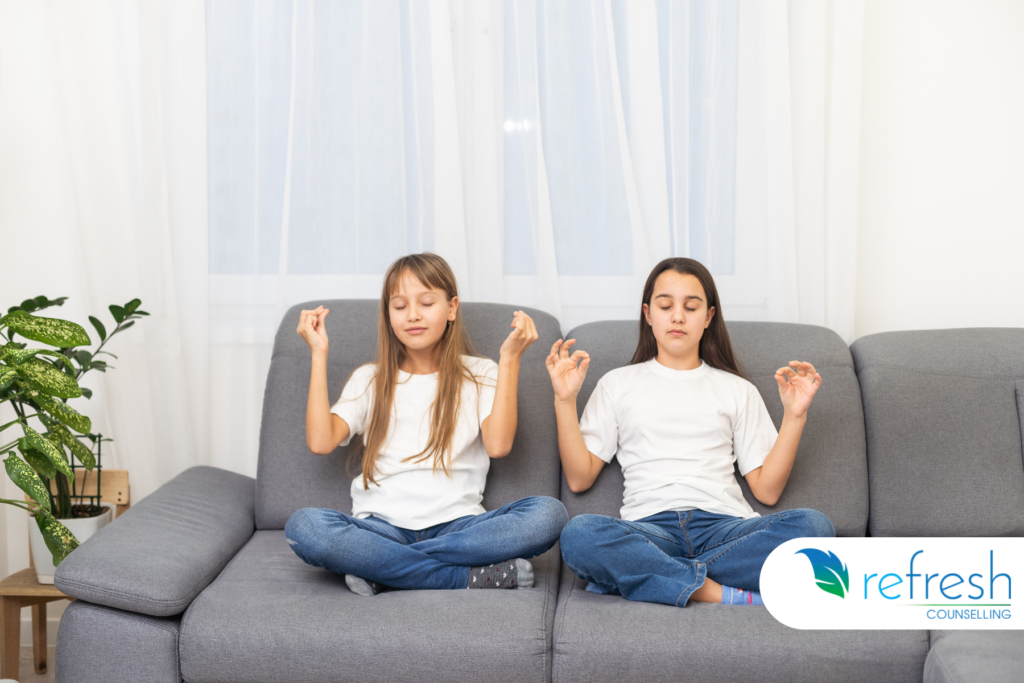
When a child is in the middle of an anxiety spiral, their “downstairs brain” (the amygdala) has taken over, triggering a fight-flight-or-freeze response. To get back to the “upstairs brain” (the prefrontal cortex) where they can actually think and solve problems, they need grounding techniques.
Breathing Exercises
Teach your child the 4-7-8 Technique:
- Breathe in through the nose for 4 seconds.
- Hold the breath for 7 seconds.
- Exhale slowly through the mouth for 8 seconds.
This physiological “hack” signals the nervous system to shift from sympathetic (stress) to parasympathetic (calm).
Grounding with the 5-4-3-2-1 Method
If your child feels overwhelmed, ask them to name:
- 5 things they can see.
- 4 things they can touch.
- 3 things they can hear.
- 2 things they can smell.
- 1 thing they can taste.
This pulls their focus out of their head and back into the physical room.
3. Focus on Effort, Not Perfection
One of the greatest contributors to test anxiety is the belief that a grade is a reflection of a person’s worth. For a Grade 3 student, the PATs are often their first experience with formal testing. For Grade 9s, the pressure feels even higher as they look toward high school.
The Message to Repeat: “Your job is to show what you know. My job is to love you regardless of the score.”
Shifting the Narrative
| Move Away From… | Move Toward… |
|---|---|
| “What grade did you get on the practice test?” | “I noticed how hard you worked on that math problem.” |
| “You need to study so you don’t fail.” | “Let’s look at what you’ve learned this year so far.” |
| “This test is really important for your future.” | “This test is just one way the school checks their teaching.” |
| “You’re so smart, you’ll get an A.” | “I’m proud of your perseverance.” |
By focusing on Process over Result, you build a “growth mindset.” When children believe their intelligence is fluid and tied to effort rather than a fixed number, their anxiety levels naturally drop.
4. How Parents Can Support: Creating a Calm Environment
Your home should be a sanctuary from the pressure of the classroom. The weeks leading up to the PATs are not the time for major life changes or high-pressure academic coaching.
The Pillars of a Calm Home
1. Prioritize Sleep
The brain processes and stores information during sleep. A tired brain is an anxious brain. Ensure your child is getting the recommended 9–11 hours of sleep. Turn off screens at least an hour before bed to allow their melatonin levels to rise naturally.
2. Nutrition and Hydration
Stabilizing blood sugar can help stabilize mood. Focus on “brain foods”—complex carbohydrates (oatmeal, whole grain bread), proteins, and healthy fats (omega-3s found in fish or walnuts). Avoid excessive sugar or caffeine, which can mimic the physical symptoms of anxiety (shaking, racing heart).
3. No Last-Minute Cramming
Alberta’s PATs are designed to test cumulative knowledge from the entire year. Cramming the night before is ineffective and only serves to increase cortisol levels. Instead, encourage “light review” and then a fun activity—like a family walk or a movie—to signal to the brain that it is safe to relax.
A Sample “Exam Week” Routine
| Time | Activity | Purpose |
|---|---|---|
| 7:00 AM | Protein-rich breakfast & Hydration | Steady energy levels. |
| 8:00 AM | Positive Affirmations (“I am prepared”) | Confidence building. |
| 4:00 PM | Physical Play / Outdoor time | Releasing pent-up nervous energy. |
| 7:00 PM | “No-Test Zone” (No talking about PATs) | Mental rest. |
| 8:30 PM | Reading or Calming Bath | Preparing for deep sleep. |
5. When to Seek Professional Help
Sometimes, despite our best efforts at home, a child’s anxiety becomes too heavy for them to carry alone. If your child’s anxiety is preventing them from attending school, causing them to stop eating, or leading to persistent feelings of hopelessness, it may be time to speak with a professional.
At Refresh Counselling, we specialize in helping children and adolescents develop a toolkit for emotional regulation. We work with families to peel back the layers of performance anxiety and build a foundation of self-esteem that isn’t tied to a report card.
Key Takeaways for Parents:
- Validate, don’t dismiss: Instead of saying “Don’t worry,” say “I can see you’re feeling nervous, and that’s okay. We can handle this together.”
- Model Calm: Children often mirror their parents’ nervous systems. If you are stressed about their scores, they will be too.
- Keep Perspective: Ten years from now, no one will ask what your child scored on their Grade 6 Social Studies PAT. They will remember how they felt supported by you during a stressful time.
The PATs are just a snapshot in time—a single data point in a long and beautiful journey of learning. By focusing on your child’s well-being over their percentage, you aren’t just helping them pass a test; you’re teaching them how to manage life’s challenges for years to come.
If your child is struggling with anxiety, reach out to Refresh Counselling today. Our team is here to support students in Calgary and across Alberta in finding their calm.