
Beyond the Grades: Building Emotional Resilience During Exam Season
For many students, this time of year is defined by late-night study sessions, caffeine-fueled cramming, and a mounting sense of pressure. But at Refresh Counselling, we believe that the most important thing a student carries into an exam room isn’t just their knowledge of calculus or social studies—it’s their emotional resilience.
This guide is designed for the parents supporting from the sidelines, the educators guiding the way, and the students currently in the thick of it. Together, we can shift the narrative from “survival” to “growth.”
1. Reframing Success: More Than a Percentage
In our high-achievement culture, it is easy to equate a person’s worth with their GPA. However, when we define success solely by grades, we inadvertently teach youth that their value is fragile and external.
Resilience, Persistence, and Self-Compassion
True success in education isn’t just about the “A”; it’s about the “how.”
- Resilience is the ability to bounce back from a disappointing practice test.
- Persistence is sticking with a difficult concept until it clicks.
- Self-compassion is the quiet voice that says, “I am doing my best, and that is enough,” even when the results aren’t perfect.
When we celebrate these traits, we build a foundation that no letter grade can shake.
| Traditional View of Success | Resilience-Based View of Success |
|---|---|
| Achieving the highest grade in the class. | Putting in consistent effort and seeing personal improvement. |
| Avoiding failure at all costs. | Viewing mistakes as data points for future learning. |
| Perfectionism and “all-nighters.” | Balancing hard work with restorative rest. |
| Comparison to peers. | Focusing on one’s own unique learning journey. |

2. Managing Comparison Culture
We live in an era of “performative achievement.” Between academic rankings and the polished “study-gram” aesthetics of social media, students are constantly bombarded with images of how they should be performing.
The Social Media Pressure Cooker
Social media often acts as a highlight reel. A peer might post a photo of a perfectly organized desk and a 95% score, but they rarely post the three hours of crying or the burnout that happened behind the scenes. This creates a “comparison trap” where students feel they are the only ones struggling.
Strategies for Parents and Teens:
- Curate the Feed: Encourage teens to unfollow accounts that trigger feelings of inadequacy.
- The “Compare to Self” Rule: The only healthy comparison is looking at where you were yesterday versus where you are today.
- Open Dialogue: Educators and parents can help by sharing their own stories of academic struggle. Normalizing “the messy middle” reduces the shame that drives toxic competition.
3. Healthy Stress Outlets: Utilizing the Calgary Spring
Stress is a physical response, and it requires a physical release. While it’s tempting to stay hunched over a desk for twelve hours, the brain actually becomes less efficient without “brain breaks.”
In Calgary, we are fortunate to have access to incredible outdoor spaces. As the weather warms up, we should encourage “active recovery.”
Movement and the Great Outdoors
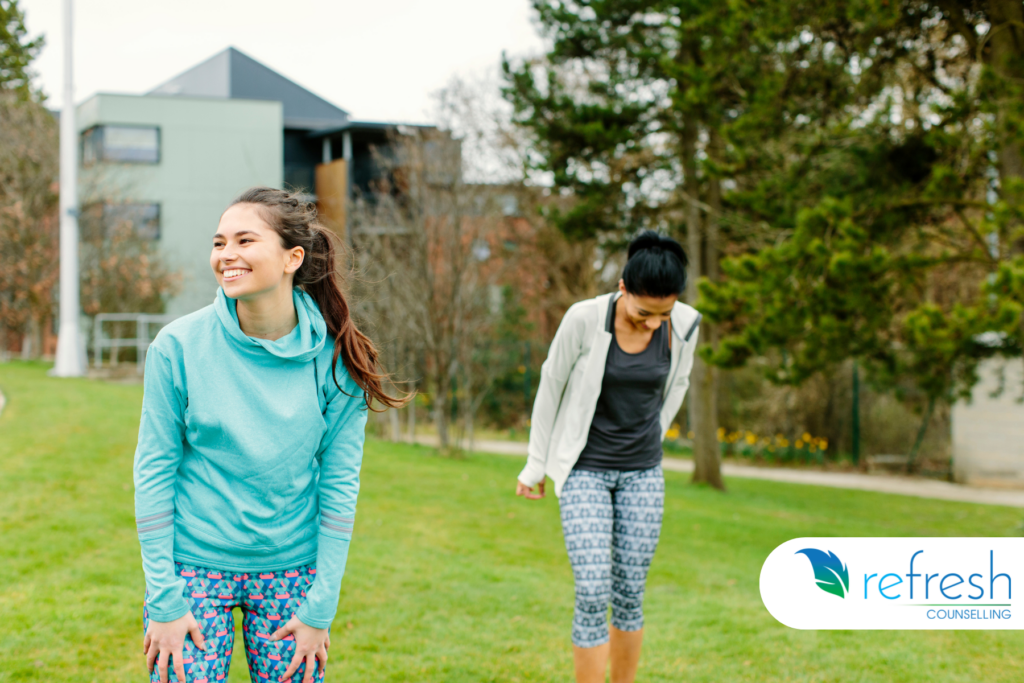
Research shows that spending time in “green spaces” (or even the “brown-turning-to-green” spaces of a Calgary May) lowers cortisol levels and improves focus. A 20-minute walk through Nose Hill Park or along the Bow River can do more for cognitive function than another hour of staring at a textbook.
Creative and Emotional Outlets
- Journaling: Writing down fears can “dump” the anxiety from the brain onto the paper, leaving more room for cognitive processing.
- Creative Play: Whether it’s playing an instrument, painting, or building something, creative acts engage the “flow state,” which is the natural antithesis to stress.
| Activity Category | Examples for Students | Why it Works |
|---|---|---|
| Physical | Walking, biking, or yoga in the backyard. | Releases endorphins and burns off excess cortisol. |
| Creative | Sketching, playing guitar, or cooking a new meal. | Switches the brain from “analytical” to “intuitive” mode. |
| Mindfulness | Deep breathing, guided meditation, or journaling. | Calms the nervous system and improves emotional regulation. |
| Social | A non-study-related coffee date with a friend. | Reduces the isolation that often accompanies exam season. |
4. The Long-Term Impact: Preparation for Life
It can be hard to see beyond the upcoming finals, but the skills a student builds during exam season are the very same skills they will need in their 20s, 30s, and beyond.
The Post-Secondary Foundation
The jump from high school to university or the trades is significant. Students who have only learned how to cram often struggle when they face the increased autonomy of post-secondary life. However, students who have learned how to:
- Manage their own schedules.
- Advocate for their mental health needs.
- Recover from a setback.
…are the ones who truly thrive in the long run.
Building the “Coping Toolbox”
Learning to handle the pressure of a Grade 12 Diploma Exam is essentially a “dry run” for handling a high-stakes presentation at work, navigating a difficult conversation in a relationship, or managing the stresses of parenthood. When we support youth in building resilience now, we are gifting them a “coping toolbox” they will use for the rest of their lives.
A Message to Our Students
To the students reading this: You are more than a number on a page. Your brain is a magnificent, complex organ that deserves rest, kindness, and fresh air. These exams are a chapter in your story, but they are not the whole book.
To the parents and educators: Your presence is the “secure base” from which these students can explore and learn. By prioritizing their emotional well-being over their percentage, you are teaching them the most valuable lesson of all: that they are worthy of care, regardless of the outcome.
Need Support?
If the stress of exam season feels overwhelming for you or your teen, Refresh Counselling is here to help. Our team of Calgary-based therapists specializes in helping youth and families navigate anxiety, academic pressure, and life transitions.
Book a consultation today and let’s build that resilience together.