
We are getting closer to the days that we head to work in the Dark, and head home in the Dark. Even though we get some of the most sun in North America, SAD can still impact you. Being mentally prepared for this time of year will help you get through this season.
SAD impacts millions of people worldwide, yet many remain unaware that their struggles have a clinical name or that effective treatments exist. Recognizing the distinction between normal seasonal mood changes and clinical seasonal affective disorder represents the first step toward getting appropriate help and reclaiming well-being during darker months.
What Is Seasonal Affective Disorder and How Does It Develop?
Seasonal affective disorder manifests as a specific type of depression that follows predictable seasonal patterns. While most cases occur during winter months, some individuals develop seasonal depression during spring or summer, though this happens less frequently.
The development of seasonal affective disorder involves complex interactions between biological systems and environmental factors. Human bodies maintain internal clocks called circadian rhythms, which regulate sleep patterns, hormone production, and mood. Dramatic decreases in daylight hours during fall and winter can disrupt these internal systems significantly.
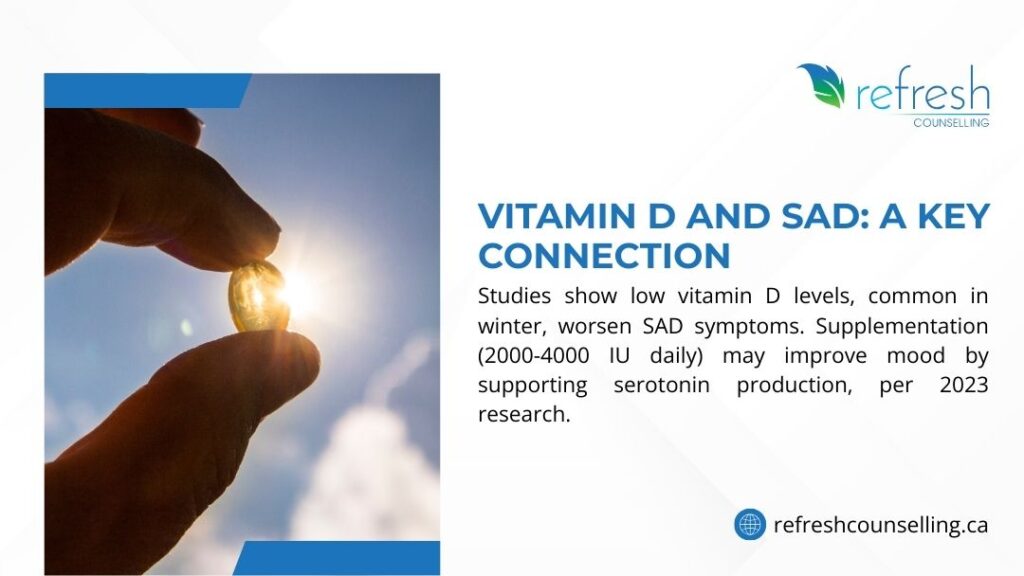
Reduced sunlight exposure directly affects the production of several crucial brain chemicals. Serotonin, often called the “feel-good” neurotransmitter, typically decreases with less light exposure. At the same time, melatonin production may increase, leading to excessive sleepiness and lethargy. These biochemical changes create ideal conditions for depressive symptoms to emerge.
Research indicates that certain individuals may have genetic predispositions to seasonal affective disorder. Family histories of depression or SAD increase the likelihood of developing this condition.
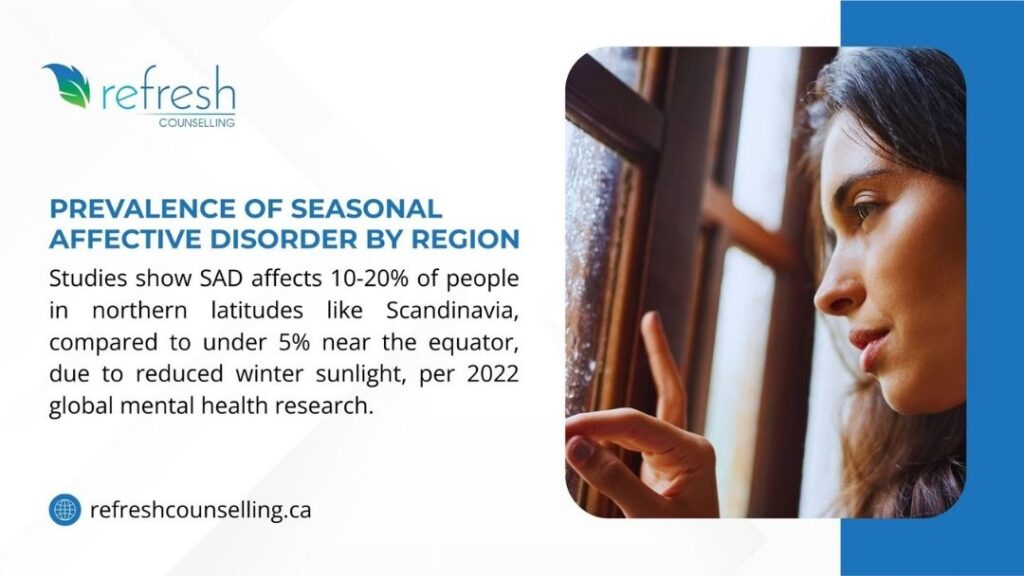
But for Calgarians and Albertans, where we’re dealing with those brutally short winter days, geography plays a huge role too. Calgary gets only about 8 hours of daylight in December. That’s less than half what we enjoy in summer. This dramatic shift in sunlight can really mess with our mood and energy levels.
And let’s not forget about those chinook winds. While they’re a welcome break from the cold, those wild temperature swings, sometimes 20 or 30 degrees in just a few hours, can throw our bodies and minds for a loop. For people living further north in Alberta, where winter days are even shorter, SAD becomes an even bigger challenge.
Interestingly, younger adults and teenagers seem to struggle more with seasonal depression than older folks. Many Calgary university students and young professionals notice their mood, energy, and productivity taking a real hit during the winter months.
Recognizing the Signs and Symptoms
The symptoms of seasonal affective disorder often mirror those of major depression but follow distinct seasonal patterns. Many people initially dismiss these symptoms as normal winter blues, but SAD symptoms are typically more severe and disruptive than typical seasonal mood changes.
Persistent feelings of sadness or emptiness that last most of each day represent common early signs. Energy levels drop dramatically, making even simple daily tasks feel overwhelming and exhausting. Sleep patterns become severely disrupted, with many people experiencing hypersomnia – sleeping much more than usual while still feeling constantly tired.
Appetite changes frequently occur, particularly intense cravings for carbohydrate-rich foods, which often lead to unwanted weight gain. These cravings aren’t simply preferences but feel compulsive and difficult to control.
Cognitive symptoms can prove particularly challenging for those affected. Concentration becomes nearly impossible, decision-making feels insurmountable, and memory problems may develop. Social withdrawal becomes common as individuals lose interest in activities they previously enjoyed. Feelings of hopelessness, worthlessness, or excessive guilt may intensify dramatically during the affected season.
Physical symptoms often accompany emotional ones. Many people report feeling physically heavy or sluggish, as if their limbs carry extra weight. This sensation, sometimes called “leaden paralysis,” moves feel laborious and exhausting.
| Symptom Category | Common Manifestations |
| Emotional | Persistent sadness, irritability, anxiety, feelings of hopelessness |
| Physical | Fatigue, low energy, changes in appetite, and weight gain |
| Cognitive | Difficulty concentrating, memory problems, and indecisiveness |
| Behavioral | Social withdrawal, loss of interest in activities, and oversleeping |
| Sleep-related | Hypersomnia, difficulty waking up, daytime drowsiness |
The timing of symptoms provides important diagnostic clues. True seasonal affective disorder symptoms typically begin around the same time each year and resolve during specific seasons. This pattern must repeat for at least two consecutive years before clinicians can make a formal diagnosis.
Treatment Approaches That Make a Difference
Effective treatment for seasonal affective disorder often involves combining multiple approaches tailored to individual needs and circumstances. Research demonstrates that various evidence-based treatments can significantly improve symptoms and overall quality of life.
Light therapy stands as one of the most well-researched and effective treatments for seasonal affective disorder. This approach involves controlled exposure to bright light that mimics natural sunlight, typically using specialized light boxes that produce 10,000 lux of illumination. Most treatment protocols recommend 20-30 minutes of morning exposure, starting in early fall before symptoms typically begin.
The timing and consistency of light therapy prove crucial for effectiveness. Morning sessions work best because they help reset circadian rhythms and signal to the body that it’s time to be awake and alert. Many people notice improvements within several days to two weeks of consistent use.
Psychotherapy, particularly cognitive-behavioral therapy adapted for seasonal affective disorder (CBT-SAD), has demonstrated remarkable effectiveness in clinical trials.
This specialized approach helps individuals identify and change negative thought patterns associated with seasonal changes while developing practical coping strategies. CBT-SAD also focuses on behavioral activation – gradually increasing engagement in meaningful activities even when motivation runs low.
Professional counseling provides safe spaces to explore the deeper emotional impacts of seasonal affective disorder. Many people find that discussing their experiences with trained therapists helps them develop personalized strategies for managing symptoms and preventing future episodes.
Medication may be recommended for individuals with severe symptoms or those who don’t respond adequately to other treatments. Antidepressants, particularly selective serotonin reuptake inhibitors (SSRIs), can help restore chemical balance in the brain. Some doctors recommend starting medication before the typical symptom onset as a preventive measure.
Lifestyle Modifications That Support Recovery
Beyond formal medical treatments, several lifestyle changes can significantly impact the severity and duration of seasonal affective disorder symptoms. These modifications work most effectively when combined with professional treatment rather than used as standalone solutions.
Maximizing natural light exposure becomes essential during darker months. Opening curtains and blinds immediately upon waking, sitting near windows during daytime hours, and taking outdoor walks even on cloudy days can provide meaningful benefits. Light-colored walls and strategically placed mirrors can help reflect available light throughout living spaces.
Regular exercise plays a particularly important role in managing seasonal depression. Physical activity naturally boosts serotonin and endorphin production while reducing stress hormone levels. Even moderate exercise, such as daily 30-minute walks, can provide significant mood benefits. Indoor activities like yoga, swimming, or gym workouts become especially valuable when outdoor exercise becomes challenging due to weather conditions.
Maintaining consistent sleep schedules helps regulate disrupted circadian rhythms. Going to bed and waking up at identical times each day, even on weekends, supports the body’s internal clock functioning. Creating relaxing bedtime routines and keeping bedrooms cool and dark can improve overall sleep quality.
Nutrition plays a supporting role in managing seasonal affective disorder symptoms. While carbohydrate cravings are common and intense, focusing on complex carbohydrates, lean proteins, and omega-3 fatty acids can help stabilize mood and energy levels. Regular meal timing helps maintain blood sugar stability, which directly affects mood and concentration abilities.
Social connections remain vital even when isolation feels more comfortable and appealing. Scheduling regular activities with friends and family, joining clubs or interest groups, or volunteering can provide structure and meaning during difficult months. Many people find that committing to social activities in advance helps them follow through even when motivation disappears.
When to Seek Professional Help
Recognizing when seasonal mood changes cross the line into clinical seasonal affective disorder can prove challenging for many people. Countless individuals struggle for years before seeking help, thinking their symptoms represent just part of winter or that they should manage independently.
Professional help becomes essential when symptoms interfere significantly with daily functioning, relationships, work performance, or school activities. Anyone consistently struggling for several weeks during the same season each year should consider consulting with mental health professionals or primary care physicians.
The severity and duration of symptoms provide important indicators about the need for professional intervention. While most people might feel somewhat down during winter months, clinical seasonal affective disorder involves persistent symptoms that last most of each day, nearly every day, for at least two weeks or longer.
Thoughts of self-harm or suicide require immediate professional attention without delay. Seasonal affective disorder, like other forms of depression, can become serious enough to pose safety risks. Nobody should hesitate to reach out for help when experiencing thoughts of self-harm.
Early intervention often leads to significantly better treatment outcomes. Many effective treatments work optimally when started before symptoms become severe or overwhelming. People who notice patterns in their mood and energy related to seasonal changes should discuss prevention strategies with healthcare providers.
Professional treatment facilities like Refresh Counselling employ experienced therapists who understand the unique challenges associated with seasonal affective disorder. We offer evidence-based treatments, including specialized cognitive-behavioral therapy approaches designed specifically for seasonal depression.
Our teams can work with individuals to develop comprehensive treatment plans that address specific needs and help people reclaim their well-being during challenging seasons.
Take the First Step Toward Brighter Days
Living with seasonal affective disorder doesn’t require dreading certain months or accepting diminished quality of life as inevitable. With proper understanding, appropriate treatment, and professional support, people can develop effective strategies to manage symptoms and maintain mental health throughout the entire year.
The journey toward better mental health starts with recognizing that seasonal mood struggles are real, treatable conditions that nobody has to face alone. Professional support can make enormous differences in how people navigate seasonal challenges and build long-term resilience.
Don’t let another difficult season pass while feeling overwhelmed by symptoms that have proven, effective solutions. Together, professional treatment teams can work toward helping people feel more like themselves, regardless of the season. Mental health matters, and support remains available for those ready to take that important first step.