
A teen spending too much time in their room worries most parents and you’re not sure if this is normal teenage behavior or a sign that something’s wrong. The answer depends on several factors, and understanding the difference helps you respond in ways that actually help.
In this guide, you’ll learn when isolation is normal development versus when it signals deeper concerns, what warning signs suggest your teen needs support, how to stay connected without pushing them away, and when professional help makes a difference.
Here’s what we’ll cover:
- Why teens naturally want more privacy and alone time
- Red flags that indicate isolation is a problem
- Practical ways to maintain connection with your teen
- How to know when counseling might help
Why Do Teens Prefer To Spend More Time Alone In Their Room
It’s normal for teenagers to spend less time with family as they become more independent, and this doesn’t mean something is wrong with you as a parent.
During adolescence, teens work on forming their own identity separate from their parents. They need space to figure out who they are, what they believe, and what matters to them. Time alone in their room provides this opportunity.
Your teen’s brain is also going through massive changes. The emotional processing parts develop faster than the decision-making parts, which makes everything feel more intense. After a day of managing school, friends, and emotions, they genuinely need quiet time to decompress.
Social pressure at school drains energy in ways adults sometimes forget. Teens constantly navigate complex peer dynamics, academic stress, and the pressure to fit in, so their room becomes a safe space where they can drop the mask and just be themselves.
| What You May Notice | What It Usually Means |
| Your teen wants privacy for a few hours after school | They likely need time alone to relax and decompress after a long day |
| They come out of their room for meals or family time | They are still staying connected with the family in healthy ways |
| They continue to spend time with friends or socialize | Their social life is still active and balanced |
| They respond when you talk to them or check in | Communication remains open, even if they prefer some space |
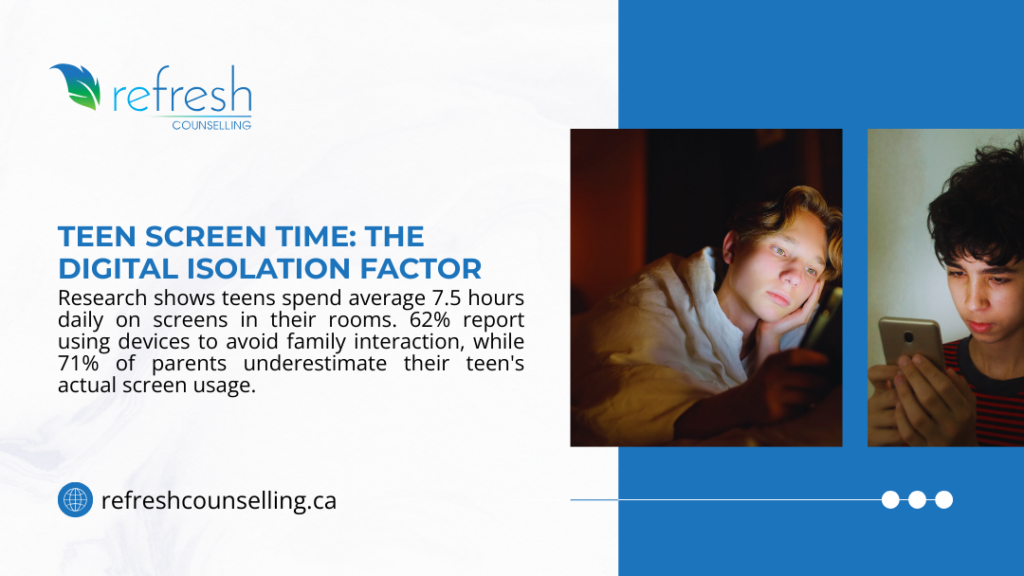
When a Teen Spending Too Much Time in Their Room May Need Extra Support
Being alone doesn’t mean something is wrong, but changes in behavior or mood can be a sign your teen could use more support from professionals.
If your teen spends hours in their room but still maintains friendships, performs well at school, eats regularly, and engages with family sometimes, this typically suggests they are managing well and using alone time in a healthy way.
But if a teen spending too much time in their room also stops seeing friends, grades drop suddenly, eating patterns change dramatically, or they seem sad or angry all the time, extra support from a mental health professional may be beneficial.
Warning Signs That Need Attention
Watch for these patterns that suggest isolation reflects a deeper problem rather than normal development:
| Red Flag | What to Notice | Why It Matters |
| Complete social withdrawal | Stops all contact with friends | May indicate teen depression or severe anxiety |
| Declining school performance | Grades drop, missing assignments | Loss of motivation is a depression symptom |
| Changes in eating or sleeping | Much more or less than usual | Physical signs of mental health struggles |
| Expressions of hopelessness | “Nothing matters” or “What’s the point” | Serious depression warning sign |
| Increased irritability | Explosive anger over small things | Can signal underlying emotional distress |
Sometimes a teenager won’t talk to you as a parent, even when you try to connect. This makes it hard to know what’s really going on and whether their isolation is normal or concerning.
How to Respond When Your Teen Isolates
Responding calmly to your teen spending too much time in their room helps preserve trust and keeps communication open.
Your instinct might be to force your teen out of their room or demand they spend time with the family. This approach usually backfires and pushes them further away.
Instead, respect their need for space while staying gently connected. The goal is maintaining a relationship without being intrusive or controlling.
Stay Connected Without Pushing
Knock before entering their room, always. Teens need to know their space is respected. Barging in breaks trust and makes them guard their privacy even more fiercely.
Create regular, low-pressure touchpoints. Drive them to activities and use car time for casual conversation. Offer to watch a show together once a week. Ask if they want to grab food somewhere.
These small connections matter more than forced family dinners or long conversations. When teens feel you respect their autonomy, they’re more likely to open up on their own terms.
Show interest in their world without interrogation. Ask about their favorite YouTube channels, games they’re playing, or music they like. When they share, listen without judgment or lectures.
What Actually Helps:
| Approach | Why It Works | How to Do It |
| Respect their space | Builds trust | Always knock, don’t snoop |
| Stay calm and available | Creates safety | Don’t react with anger when they do talk |
| Find shared activities | Natural conversation opportunities | Watch shows, cook together, drive places |
| Express unconditional love | Reduces shame | “I’m here when you need me” vs “What’s wrong with you” |
When you’re trying to figure “how to get my teen to open up”, patience and respect work better than pressure and demands.
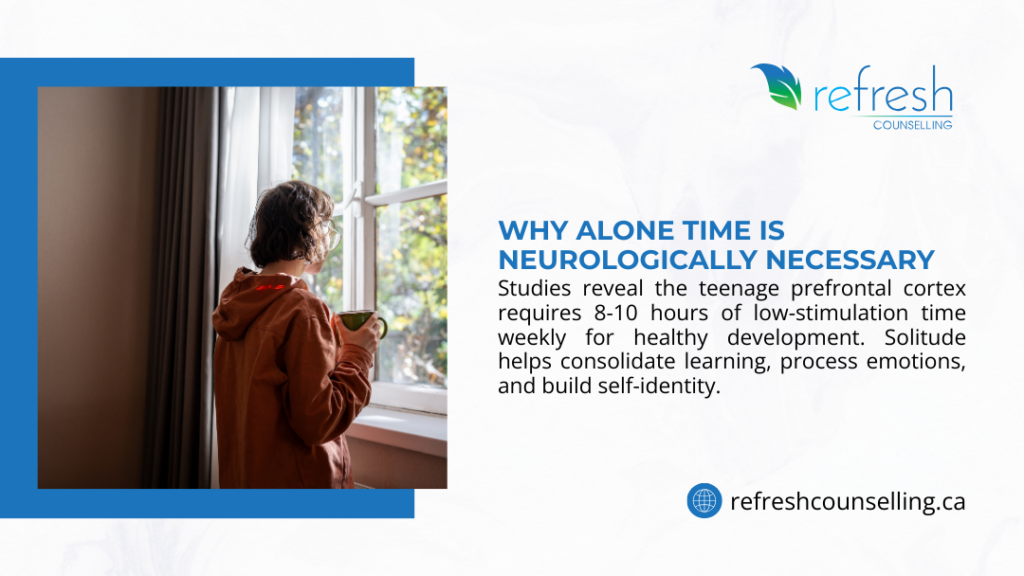
The Connection Between Room Time and Mental Health
A teen spending too much time in their room isn’t usually a problem, but it can be helpful to check how they’re doing overall.
Teens’ depression often makes them lose interest in activities they used to enjoy, including time with family and friends. Their room becomes a place to hide from a world that feels overwhelming and pointless.
Anxiety can also drive isolation, as social anxiety makes interactions feel terrifying, so teens avoid them. Generalized anxiety makes the world feel unsafe, so they retreat to their room where things feel more controlled.
Sometimes teens isolate because they’re being bullied, but don’t know how to tell you. Other times, they’re processing trauma or dealing with relationship problems that feel too big to share.
The challenge is that normal teenage privacy looks similar to mental health-driven isolation from the outside. That’s why you need to watch for the warning signs mentioned earlier and trust your instincts when something feels off.
Mental Health Concerns to Watch For:
| Condition | How It Shows Up | What to Do |
| Teen depression | Persistent sadness, loss of interest, sleep changes | Seek counseling evaluation within 1-2 weeks |
| Teen anxiety | Excessive worry, avoiding activities, physical complaints | Schedule assessment if lasting 2+ months |
| Social withdrawal | Stops all friend contact, refuses activities | Monitor closely and consider professional help |
| Self-harm or substance use | Cuts, burns, drug/alcohol use | Seek immediate professional support |
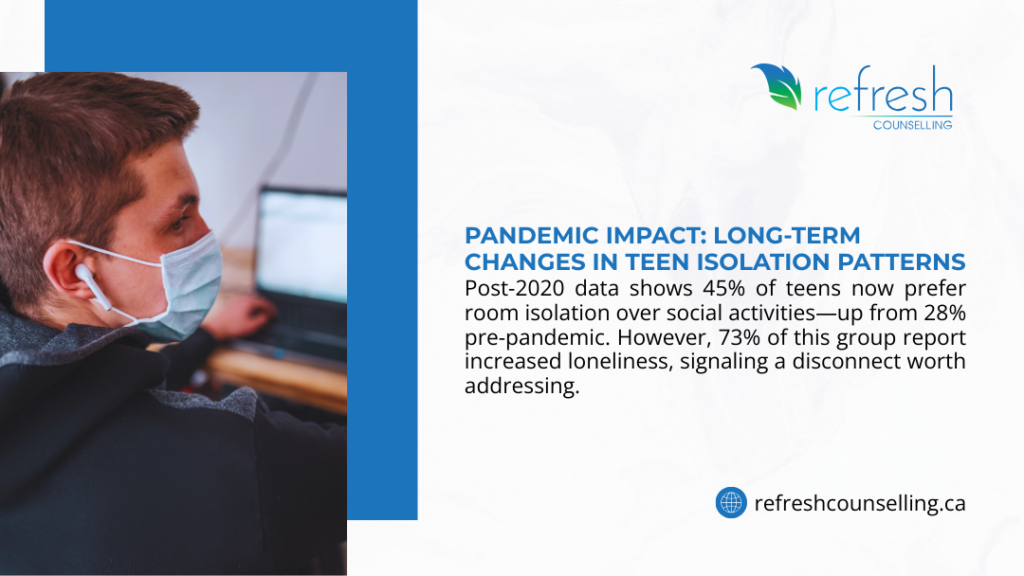
When Professional Help Makes a Difference
Teen counseling provides a safe space where teens can talk about what’s really happening without worrying about disappointing their parents. Sometimes teens open up to therapists in ways they can’t with family.
Consider reaching out to a counselor if your teen spending too much time in their room continues for more than 2-3 months with no improvement, shows multiple warning signs listed above, expresses hopelessness or thoughts of self-harm, or if their isolation affects school performance or health.
Many families see significant improvement within weeks of consistent counseling. Teens learn to manage anxiety, work through depression, and develop healthier ways of relating to their parents.
At Refresh Counselling, our teen counseling specialists understand adolescent development and mental health. We create welcoming, nonjudgmental spaces where teens feel comfortable sharing their struggles.
Through evidence-based approaches, we help teens develop coping skills, process difficult emotions, and reconnect with their families.
Contact us today, to schedule an assessment and take the first step toward helping your teen feel better.