
Everyone talks about “anxiety” like it’s this single condition, but actually, there are tons of different types of anxiety that mess with people in completely different ways.
Maybe you know someone who freaks out in crowded places. Or maybe you’ve got a friend who literally cannot stop worrying about stuff that probably won’t even happen. Then there’s people who are fine most of the time but have these random moments where they think they’re literally dying. All anxiety, but totally different experiences.
This matters because what works for one type might be completely useless for another. The person who gets panic attacks needs different help than someone who’s afraid of elevators.
Normal Anxiety vs The Kind That Ruins Your Day
Everyone worries sometimes. Your car makes a weird noise, and you think about repair bills. You have a presentation at work and feel nervous. Your teenager is late getting home, and you start imagining car accidents. That’s just being human.
But then there’s the other kind. The kind where you’re lying in bed at 2 am thinking about whether you locked the door, even though you already checked three times. Or you can’t go to your friend’s wedding because what if you have a panic attack during the ceremony? That’s when normal anxiety has turned into something bigger.
Usually, the difference is whether the anxiety makes sense for what’s actually happening, and whether it’s stopping you from doing normal life stuff. Being nervous before a job interview = normal. Not being able to sleep for two weeks before the interview = probably an anxiety disorder.
Generalized Anxiety Disorder
This is like having a brain that’s convinced the world is constantly about to end, but in really mundane ways. People with GAD don’t just worry about big stuff like natural disasters or terrorism. They worry about whether their boss thinks they’re incompetent because they said “you too” when the barista said “enjoy your coffee.”
The worrying never stops, and it jumps around constantly. Monday morning, you’re worried about that email you sent Friday that maybe sounded rude. By Monday afternoon, you’re convinced your headache is definitely a brain tumor. Tuesday, you’re stressed about your dog seeming tired lately. Wednesday, it’s back to work stuff, but now you’re worried about getting fired. Thursday, you remember you need to renew your car registration and spend three hours catastrophizing about what happens if you get pulled over.
It’s exhausting. People with GAD are tired all the time because their brain never gets a break. They have trouble sleeping because the worry wheel keeps spinning. Their shoulders hurt constantly from being tense. They get headaches and stomach problems because stress does that to your body.
The worst part is that they usually know their worries are ridiculous. Like, they can logically understand that their coworker probably wasn’t giving them dirty looks; they just have a resting grumpy face. But knowing that doesn’t actually stop the worry from happening.
Panic Attacks – When Your Body Decides You’re About to Die
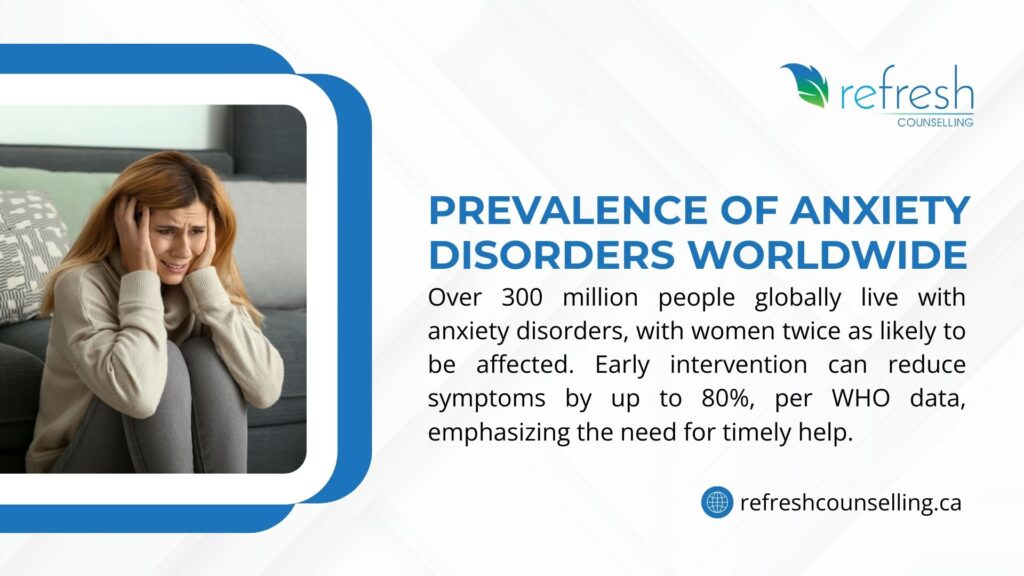
Panic attacks are the absolute worst. Your heart starts beating so fast you’re sure it’s going to explode. You can’t breathe right. Everything feels fake and disconnected. You’re 100% convinced you’re having a heart attack or going completely insane. Most people end up in the ER during their first few panic attacks because the symptoms are that intense.
Then it just… stops. Usually in like 10-20 minutes. You’re left sitting there feeling like you got hit by a truck, wondering what just happened to you.
But once you’ve had a few panic attacks, you start being afraid of having more panic attacks. So now you’re anxious about being anxious. Your brain starts treating places where you’ve panicked before like they’re actually dangerous.
Had a panic attack at the mall? Now malls are scary. Panicked while driving? Better avoid highways. Had one at work? Maybe you should call in sick more often, just in case. Before you know it, your whole life gets smaller and smaller because you’re avoiding more and more places.
Some people can figure out their triggers – crowds, enclosed spaces, being far from home. But for lots of people, panic attacks just happen randomly. You’re sitting on your couch watching Netflix, and boom, your body decides it’s time to practice dying.
Social Anxiety – When People Are The Problem
This isn’t just being shy or introverted. Social anxiety is being genuinely terrified that everyone is judging you and finding you wanting. It’s sweating through your shirt during small talk. It’s your mind going completely blank when someone asks how your weekend was. It’s rehearsing how to order coffee twelve times before you get to the front of the line.
People with social anxiety are constantly convinced they’re about to do something embarrassing or say something stupid. They analyze every facial expression, every tone of voice, every pause in conversation for signs that the other person thinks they’re weird or boring or annoying.
The preparation that goes into social events is ridiculous. Hours spent figuring out what to wear, what to talk about, and how to gracefully exit conversations. During the actual event, they’re hyperaware of everything they’re doing and saying. Afterward, they replay every interaction looking for evidence that they screwed up somehow.
It can be about specific situations – like public speaking or dating – or just general social interaction. Some people are fine with family but panic around strangers. Others feel anxious even with people they’ve known for years.
The avoidance gets pretty extreme. People turn down job promotions because they involve presentations. They don’t date because first dates are terrifying. They skip parties and social events. Some people even have trouble with basic stuff like going to the doctor or calling to make appointments because it involves interacting with strangers.
Phobias – When Your Brain Decides Random Things Are Deadly
Phobias are weird because they’re so specific. Someone can be totally normal in 99% of situations, but absolutely lose their mind if they see a spider.
The classic phobias kind of make evolutionary sense. Heights, snakes, spiders, and blood – being afraid of those things probably helped our ancestors survive. But people can develop phobias about literally anything. Balloons. Cotton balls. Clowns. Holes.
| Phobia Type | Real Life Impact | Why It Sucks |
| Heights | Can’t go above the 3rd floor of buildings, avoid bridges | Miss out on jobs, apartments, experiences |
| Animals (dogs, spiders, etc) | Cross streets to avoid dogs, obsessive room checking | Limits where you can go, what you can do |
| Medical stuff (needles, blood) | Avoid necessary healthcare, pass out during procedures | Potentially dangerous health neglect |
| Flying | Turn down jobs requiring travel, miss family events | Career and relationship limitations |
| Driving | Dependent on others for transportation | Job and social restrictions |
Avoidance can really screw up your life. People have turned down amazing job opportunities because they required flying. Others avoid necessary medical care because of needle phobia. Fear doesn’t have to make logical sense. Your brain has decided this thing is dangerous and that’s that.
What makes phobias particularly frustrating is that people usually know their fear is irrational. Someone with a dog phobia understands that most dogs are friendly and harmless. But when they see a golden retriever across the street, their body goes into full emergency mode anyway.
Other Types of Anxiety
Here are some other types of anxiety:
Agoraphobia
People think agoraphobia is the fear of open spaces, but it’s actually the fear of being somewhere where you might panic and not be able to escape or get help. Usually starts after someone has panic attacks in certain places.
It begins small – maybe avoiding the grocery store where you had your first panic attack. But it can snowball until you’re afraid of anywhere that feels potentially “trapping.” Crowded places, public transportation, and even your own neighborhood if it’s too far from home.
Some people become completely housebound. They might not leave their house for months because everywhere else feels too dangerous. Even having people over can be anxiety-provoking because then they can’t escape to their bedroom if needed.
Adult Separation Anxiety
Adults can have intense fear about being separated from certain people or places. It’s that gut-level terror that something awful will happen while you’re apart.
It might look like panic when your spouse goes on business trips. Can’t sleep when you’re away from home. Extreme distress about kids leaving for college. The anxiety isn’t really about being alone, but rather about bad things happening during separation.
Health Anxiety
Used to be called hypochondria, but that term was too judgmental. People with health anxiety aren’t just worried about getting sick; they’re convinced they already are sick with something serious.
Every headache is a brain tumor. Chest tightness obviously means heart disease. That mole definitely looks cancerous. They either spend hours googling symptoms (which always makes things worse) or completely avoid doctors because they’re too scared of what they might discover.
The really twisted thing is that anxiety itself causes lots of physical symptoms. Headaches, chest tightness, stomach problems, and dizziness. So people with health anxiety have plenty of real symptoms to worry about, even though the anxiety is causing them.
What Anxiety Feels Like In Your Body
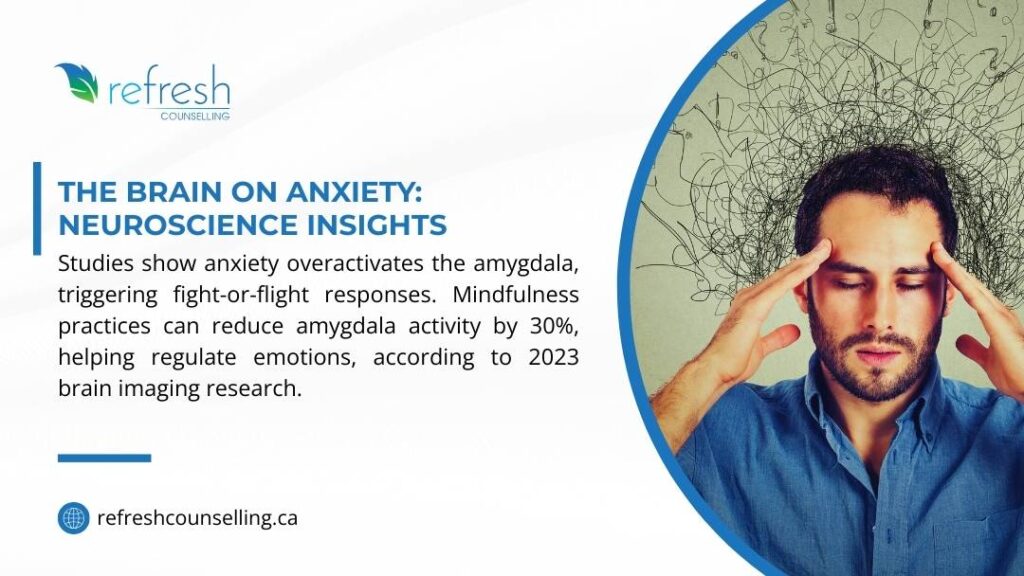
With anxiety, your whole body gets involved. Your nervous system can’t tell the difference between actual danger and worried thoughts, so it prepares you to fight or run from whatever your brain thinks is threatening you.
Your heart pounds like you just sprinted up four flights of stairs. Muscles tense up, especially the shoulders and neck. Hands get sweaty. Some people feel nauseous or dizzy. Breathing gets weird – either too fast or you feel like you can’t get enough air. It’s like your body is getting ready for war against your own thoughts.
The emotional part is not that great either. Constant feeling that something bad is about to happen, even when everything is actually fine. Always feeling “on edge” or jumpy. Sleep becomes impossible because your mind won’t shut up. Can’t concentrate because you’re always scanning for potential problems.
Then you develop all these behaviors to try to manage the anxiety. Checking locks multiple times. Avoiding certain places or routes. Always sitting near exits. Needing constant reassurance from family and friends. These things help temporarily, but usually make the anxiety worse long-term.
When Anxiety Takes Over Your Whole Life
Anxiety doesn’t stay in its lane. It’s like that annoying person who shows up to a party uninvited and then won’t leave and ruins everyone else’s good time.
Work becomes a nightmare when you’re constantly second-guessing yourself or avoiding anything that might trigger anxiety. People turn down promotions, avoid speaking up in meetings, and spend way too much time perfecting emails that should take two minutes. Not because they’re incompetent, but because anxiety is stealing their mental bandwidth.
Relationships get complicated fast. Your partner gets tired of providing constant reassurance. Friends stop inviting you to places because you always cancel at the last minute. Family gets frustrated with having to accommodate your anxiety all the time. The isolation makes everything worse.
Physical health goes downhill, too. Chronic anxiety is hard on your body – sleep problems, headaches, stomach issues, and getting sick more often. Some people start drinking more or avoiding exercise, which obviously doesn’t help.
Things Can Get Better
Anxiety disorders are treatable. Not just “something you learn to manage” but actually fixable. Most people get significantly better with proper help.
Cognitive Behavioral Therapy (CBT) is probably the best-studied treatment. Basically, you become a detective investigating your own thoughts and behaviors to figure out what’s keeping the anxiety going. Then you systematically change those patterns. Sounds simple, but it works really well.
For phobias and panic disorder, exposure therapy is incredibly effective. The idea is to gradually face your fears in a controlled way until your brain learns they’re not actually dangerous. Terrifying concept, but often the fastest way to get your life back.
There are other approaches too, like Acceptance and Commitment Therapy (ACT), which focuses less on fighting anxiety and more on living according to your values even when anxiety shows up. Some people find this less overwhelming.
Medication can help, especially for severe anxiety or while you’re learning therapy skills. But therapy gives you tools that stick around after treatment ends, which is why most experts recommend starting there.
How to Know When You Need Professional Help
Sometimes it’s obvious – like when you can’t leave your house or you’re having daily panic attacks. But often the signs are subtler.
If anxiety is messing with stuff that matters to you, that’s a pretty clear signal. You’re avoiding social situations you used to enjoy. Work performance is suffering. You’re making major life decisions based on anxiety rather than what you actually want.
Physical symptoms that concern you or your doctor are worth checking out. Chest pain, breathing problems, other scary symptoms – get them evaluated medically and psychologically.
Using alcohol or drugs to cope with anxiety means your current strategies aren’t working and might be making things worse.
When people in your life start expressing concern, or you notice your anxiety affecting your relationships, that’s another red flag. If you’re having thoughts about hurting yourself or feeling like life isn’t worth living, please get help immediately. You don’t have to handle this alone.
How Can Therapy Help?
Working with someone who really understands anxiety disorders and has actual tools to help is incredibly powerful. Therapists don’t just sit there nodding while you talk. Good ones have specific techniques that have been proven to work.
They can see patterns you’re too close to notice. Like how your thoughts create feelings, which create behaviors that reinforce the thoughts. It’s usually a cycle that keeps itself going, and an outside perspective helps you figure out where to interrupt it.
They’ll teach you concrete skills for managing symptoms when they pop up. Help you identify what kind of anxiety you’re dealing with and customize treatment accordingly. Provide support and accountability while you’re working on changes.
Maybe most importantly, they help you understand that having anxiety doesn’t mean you’re broken or weak or defective. It’s a common, treatable condition that millions of people handle successfully with appropriate help.
Time to Stop Living Like This
If you’re reading this and thinking, “Oh, this sounds like me”, you’re probably tired of being anxious all the time. The constant worry, the panic attacks, avoiding things you want to do, being afraid of social situations – it’s exhausting, and it doesn’t have to be permanent.
Refresh Counselling has therapists who have worked with tons of people dealing with exactly what you’re going through. Whether it’s the never-ending worry of generalized anxiety, terrifying panic attacks, social fears, or specific phobias, we know how to help.
We offer sessions in Vancouver and online, so you can get help however you feel most comfortable. No judgment about how long you’ve been struggling or how bad it’s gotten. Just people who understand and have effective tools to help you feel better.
You shouldn’t have to organize your whole life around avoiding anxiety. You deserve to sleep peacefully, make decisions based on what you want instead of what you’re afraid of, and actually enjoy social situations instead of enduring them.