
A recent Canadian study found that only about one-third of youth report strong family support. That means that 2 out of 3 teens feel disconnected from their parents in some way.
This article helps parents understand why teenagers shut down emotionally and what you can do to rebuild connection.
You’ll learn the real reasons behind teen silence, how to spot warning signs of deeper issues, and practical ways to get your teenager to open up without pushing them further away.
Why My Teenager Won’t Talk to Me Anymore
Your teenager used to share everything with you but now they give one-word answers, shut their bedroom door the second they get home, and act like you’re the last person they’d confide in.
From the experience that we have as mental health providers, we can say that this behaviour change in teenagers is often seen as normal.
Research shows that ease of communication with parents directly affects teen mental health outcomes. When young people find it easy to talk to their mother, they’re much more likely to report high levels of emotional well-being.
So let’s look at what’s actually happening when your teenager won’t talk to you.
How Developmental Changes Affect The Teen-Parent Connection
Teenagers are literally wired to pull away from parents during these years and it’s not something which is personal.
Their brains are going through major changes during puberty and some parts that handle emotions and social connections are developing rapidly, which makes them naturally more focused on peer relationships than family bonds.
This table explains the developmental stages during teenage years:
| Developmental Stage | What’s Happening | How It Affects Communication |
| Early teens (12-14) | Starting to value peer opinions more | Brief answers, preference for friend time over family time |
| Mid teens (15-16) | Testing independence, forming identity | Increased privacy needs, selective sharing |
| Late teens (17-18) | Preparing for adult life | More communication about practical matters, less about feelings |
Emotional Withdrawal Signs vs Normal Teen Behavior
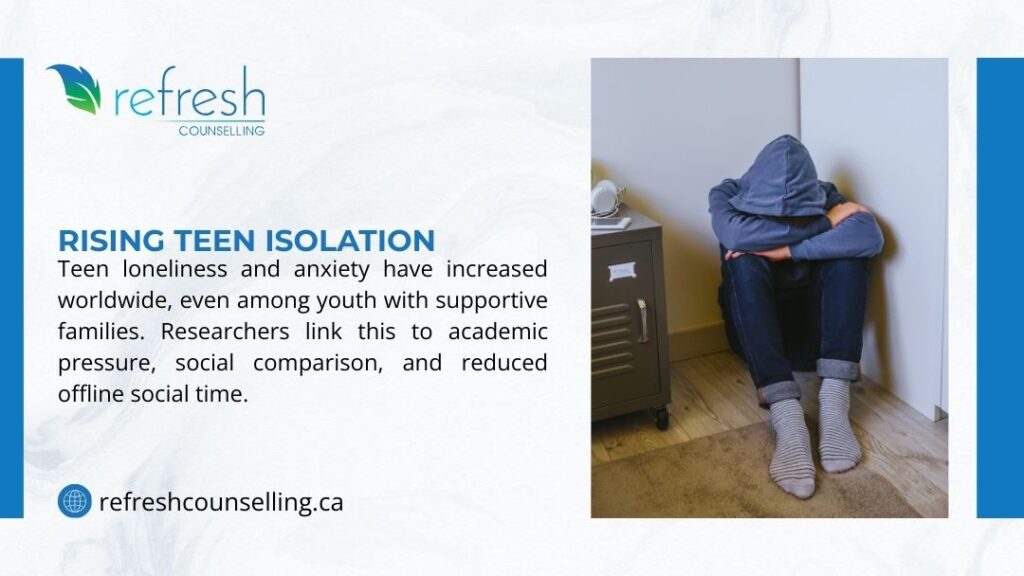
Not all silence means something’s wrong. You need to know the difference between typical teen independence and emotional withdrawal that actually needs attention from a professional.
Normal teen behavior includes:
- Wanting more privacy,
- Spending time alone in their room,
- Sharing less about their daily activities.
When teens are emotionally withdrawing:
- They stop participating in activities they genuinely used to enjoy.
- They avoid eye contact even during family meals
- They seem completely disconnected even when everyone’s together
| Normal Teen Behavior | Signs of Emotional Withdrawal |
| Wants privacy in their room | Refuses to leave room for meals or family time |
| Talks less about school | Stops engaging entirely, even when asked direct questions |
| Prefers texting with friends | Cuts off all communication, including with close friends |
| Occasional mood swings | Persistent sadness, irritability lasting weeks |
At Refresh Counselling, we have teen counselling professionals which can help you figure out which pattern you are actually seeing with your teen.
Why Do Teenagers Shut Down Emotionally?
The reasons my teenager won’t talk to me go way deeper than just “being a typical teen.” Several specific factors create these walls between parents and teenagers.
- Fear of Being Judged
Teens worry constantly that you’ll criticize their choices or judge them harshly. One harsh comment about their friend group or a bad grade can make them stop sharing anything meaningful with you for weeks or even months.
- Feeling Misunderstood
When you immediately try to fix their problems instead of just listening to how they feel, they decide you don’t really get what they’re going through. They want understanding first, not solutions or advice about what they should do differently.
- Previous Negative Reactions
If you’ve gotten visibly angry or upset about things they’ve shared with you before, they remember that reaction clearly. They won’t risk experiencing that same response again, so they just stop telling you things altogether.
- Screen Time Displacement
Social media really plays a huge part when it comes to the teen-parent relationship. Not only that replaces face-to-face family communication, but doom scrolling also creates isolation for your kid with the real world.
- Stress and Overwhelm
Teenagers who often feel anxious or depressed about school, friends or life in general, have it harder to open up and staying silent becomes easier for them.
To learn more about teen depression and how to treat it effectively on time, you can get more details on our guide.
How to Communicate with a Stubborn Teenager
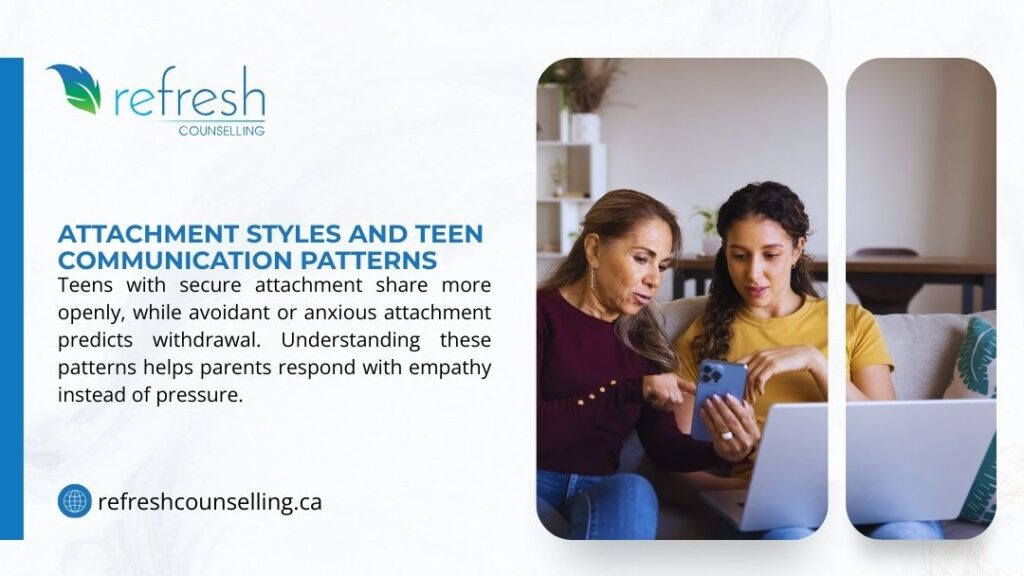
Getting a closed-off teen to open up requires changing your whole approach to conversations. The methods that worked perfectly fine when they were younger just don’t work anymore now that they’re teenagers.
- Create Low-Pressure Opportunities for Connection
Have you ever wondered: “Why won’t my teenager talk to me during those serious sit-down conversations where I try to have a real talk?”
The truth is, that teens open up way more during casual moments when there’s less pressure and expectation hanging in the air.
Try starting conversations while you’re driving them somewhere, cooking dinner together, or during an activity like shooting hoops or walking the dog. These side-by-side moments feel way less intense and confrontational than those face-to-face talks across the kitchen table.
What NOT to do: Don’t force conversations to happen when they’re clearly not in the mood. Let silence be okay sometimes instead of filling every quiet moment with questions or comments.
- Change How You Listen
Most parents listen to respond with advice or their own opinion. Your teen actually needs you to listen just to understand what they’re saying and feeling.
Stop interrupting them with advice or solutions when they’re in the middle of telling you something. Let them finish their whole thought completely before you say anything back to them.
Avoid these specific phrases that shut down communication fast:
- “When I was your age…”
- “You’re overreacting to this”
- “Just don’t worry about it”
- “That’s not even a real problem”
| Instead of Saying | Try This |
| “You’re being dramatic” | “That sounds really hard for you” |
| “Why didn’t you just…” | “What do you think might help?” |
| “This is what you should do” | “What have you thought about trying?” |
| “I told you that would happen” | “What did you learn from that?” |
- Respect Their Need for Space
Pushing harder and harder when your teenager won’t talk to you usually backfires completely. They genuinely need space to process their feelings on their own timeline, not yours.
Tell them clearly that you’re available whenever they want to talk about anything. Then actually be available without bringing up the topic constantly or asking “so do you want to talk now?” every few hours.
Sometimes teens find it easier to open up to other trusted adults like an aunt, a coach, or a school counselor. That’s actually okay and doesn’t mean you’ve failed as a parent or done something wrong.
- Build Trust Through Small Moments
Big serious conversations don’t rebuild connection after it’s been lost. Small, consistent interactions over time actually do the rebuilding work.
Say good morning every day even if they grunt back at you. Ask simple questions about their day without turning it into an interrogation session where you fire off ten questions in a row.
Notice and appreciate them out loud for small things: “I noticed you helped your sister with her homework without being asked. That was really kind of you.”
Signs Your Teen May Benefit From Extra Support
Sometimes “my teenager won’t talk to me” is simply part of growing up, but there are moments when it can help to look a little closer.
These signs don’t automatically mean something serious is going on — they just suggest your teen might need some additional guidance or a safe space to talk.
| Sign | What It Might Mean | Why It Matters |
| Complete social withdrawal (2+ weeks) | Teen avoids both friends and family. | Could indicate emotional overwhelm or distress. |
| Talking about feeling hopeless or not wanting to be here | Teen expresses deep emotional pain. | Needs immediate support from a mental health professional. |
| Major changes in eating or sleeping | Eating far more or far less; sleeping too much or barely at all. | These shifts often signal emotional or mental strain. |
| Sudden drop in grades across all subjects | Not just struggling in one class — grades fall everywhere. | Suggests something bigger than academic difficulty. |
| Giving away important belongings | Teen parts with items they once valued. | A serious emotional red flag needing quick attention. |
| Risk-taking behaviors (drugs, alcohol, unsafe choices) | Sudden or increased risky behavior. | Often a sign they’re coping with difficult emotions. |
When Communication Problems Point to Anxiety or Depression:
Teens struggling with teen anxiety, often withdraw completely from communication with parents. It’s not stubbornness or defiance or them trying to punish you.
They might genuinely not have the right words for what they’re feeling inside. Talking about feelings feels overwhelming and exhausting when you’re dealing with anxiety or depression at the same time.
Physical complaints without any clear medical cause often show up alongside these mental health conditions. Your teen might keep saying they have headaches or stomach aches instead of being able to say “I feel anxious” or “I feel really sad.”
When Your Teenager Has Little To No Friends:
When your teenager has very few social connections, communication problems at home usually get worse too. Social withdrawal at school and social withdrawal at home typically go together.
Notice carefully if your teen never mentions friends anymore when they used to talk about them all the time. Watch if they don’t get invited to social events, parties, or hangouts that other kids their age attend regularly.
If they spend absolutely all their free time alone in their room with the door closed, that’s worth paying attention to. Signs of being bullied or deliberately excluded by peers at school need to be addressed quickly. These concerning patterns often need professional help to address properly. Family counselling can help everyone in the family learn better ways to connect and support each other.

Why Do Teens Spend So Much Time in Room?
When teens retreat to their rooms constantly and barely come out, parents naturally start to worry. Sometimes it’s completely normal, and sometimes it signals real problems that need attention.
Teens genuinely need private space to develop independence and figure out who they are separate from the family. Their room becomes their personal sanctuary from family chaos, school stress, and social pressures they face all day.
But excessive isolation where they spend nearly all their time in their room, even skipping family meals to eat alone, needs closer attention. This pattern often connects with your teen spending too much time in room.
Balance matters here more than strict rules. Teens should definitely have room time for privacy, but they should also participate in some family activities and maintain at least some social connections outside the house.
“My Teenager Won’t Talk To Me”: What We offer as a final thought…
Your approach matters way more than your teen’s initial response to your efforts. Keep showing up consistently, stay calm even when it’s hard, and create space for connection without forcing conversations to happen.
Watch carefully for warning signs that go beyond typical teen withdrawal into concerning territory. Getting professional help early prevents small communication problems from turning into serious mental health issues down the road.
The team at Refresh Counselling has been working with Calgary families for more than 10 years who face these exact challenges with their teenagers. We help parents understand their teens better and help teens learn to communicate their needs more effectively with their families.
If you’re finding it hard to reconnect with your teen or communication feels stuck, our team is here to support you.