
What Is Teen Depression?
Teen depression is a mental health condition where a teenager feels ongoing sadness, hopelessness, or lack of interest in things they usually enjoy. These feelings last for weeks and start to affect their daily life, relationships, and ability to function at school or at home.
If your teen seems off for a day or two, that’s typical. If the changes persist for weeks and interfere with school, friendships, or home life, that points to something that needs attention.
Teen depression affects brain chemistry in ways that change mood, energy, sleep, appetite, and concentration. Your teen isn’t choosing this or being difficult on purpose.
| Normal Teen Behavior | Signs of Depression |
| Mood improves within days | Low mood lasts weeks or months |
| Still enjoys some activities | Loss of interest in everything |
| Maintains some friendships | Withdraws from all social contact |
| School performance stays stable | Grades drop significantly |
| Responds to support | Support provides little relief |
What Causes Teen Depression
Depression rarely has one simple cause. Several factors may combine to create the conditions where depression develops.
- Stress and Life Changes
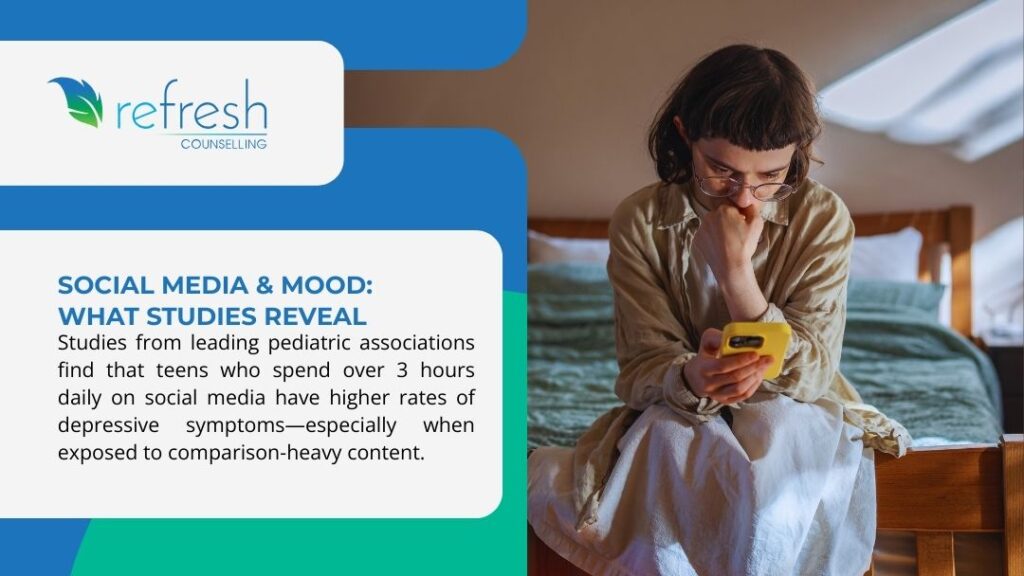
Academic pressure, social media comparison, bullying, family conflict, or major transitions can trigger depression in vulnerable teens. Moving to a new city, parents separating, or losing someone close often precedes the onset of symptoms.
- Social Factors
Peer rejection, relationship breakups, or feeling left out socially hit hard during adolescence. These social struggles can trigger depressive episodes in teens who might otherwise cope fine.
- Trauma
Abuse, neglect, or other traumatic experiences significantly increase depression risk. Even events that seem small to adults can feel overwhelming to teenagers.
What Are The Symptoms Of Teen Depression
Depression shows up differently in different teens. Watch for changes that last more than two weeks and affect multiple areas of life.
- Mood and Emotional Changes
Your teen seems sad, empty, or irritable most of the time. They might cry more easily or seem emotionally numb.
Increased anger and frustration appear over small things. Your teen snaps at family members, slams doors, or seems constantly on edge.
If anger dominates their mood, our article on why is my teen so angry explores how depression and anger connect.
| What You Might Notice | What It Means |
| Persistent sadness or emptiness | Low mood most days for weeks |
| Constant irritability | Frustration with everything and everyone |
| Feelings of worthlessness | Negative self-talk, self-blame |
| Loss of joy | Nothing feels fun or interesting anymore |
- Changes in Behavior
Loss of interest in activities they used to love signals something wrong. Your teen quits sports, stops playing music, or drops hobbies they once enjoyed.
Social withdrawal increases. They stop seeing friends, avoid family time, and spend hours alone in their room.
School performance often drops. Grades fall, homework goes undone, and teachers report attention problems or absences.
Some teens start taking more risks. This might include substance use, reckless behavior, or other concerning choices.
- Physical Signs
Sleep patterns change significantly. Some teens sleep 12+ hours daily while others can’t fall asleep or wake frequently during the night.
Appetite shifts happen in both directions. Your teen might eat much less or much more than usual, leading to noticeable weight changes.
Physical complaints with no medical cause appear frequently. Headaches, stomach aches, and body pains that doctors can’t explain often accompany depression.
Constant fatigue persists even with adequate rest. Your teen feels exhausted all the time and finds normal activities overwhelming.
| Physical Change | What to Watch For |
| Sleep problems | Sleeping too much or too little for weeks |
| Appetite changes | Significant eating pattern shifts |
| Unexplained pain | Recurring physical complaints with no medical cause |
| Low energy | Constant exhaustion despite rest |

How To Support Your Teen As A Parent
Professional counseling provides the most effective support for teen depression. At the same time, what you do at home matters.
- Listen More To Their Problems
Your teen needs to feel heard. When they share something, listen without immediately jumping to solutions or dismissing their concerns.
Say “That sounds really hard” instead of “You’ll be fine.” Acknowledge what they’re going through as real.
- Keep Daily Routines Stable
Depression makes everything harder. Consistent routines for meals, sleep, and daily activities provide structure when motivation disappears.
Help your teen maintain basic self-care. Regular sleep schedules and healthy meals support the brain chemistry that affects mood.
- Encourage Small Actions
Depression convinces teens that nothing will help. Encourage small, manageable steps rather than expecting big changes.
A short walk, one conversation with a friend, or completing one task counts as progress. Small actions build momentum.
- Know When to Step Back
Solving every problem for your teen prevents them from building confidence. Help them face appropriate challenges instead of removing all difficulty.
Support doesn’t mean rescue. Let them handle what they can while staying available for what they can’t.
| Response That Helps | Response That Doesn’t |
| “What’s one small thing you could try?” | “I’ll just do it for you” |
| “What’s helped you before?” | “Stop being so negative” |
| “Let’s work on this together” | “You’re not even trying” |
When Professional Support Matters
Some situations benefit significantly from professional help. If you see these signs, it might be worth calling in reinforcements and consulting with the Counsellor.
Depression symptoms lasting more than two weeks deserve attention. If what you try at home doesn’t improve things after several weeks, professional support helps.
Significant drops in school performance that continue despite your efforts point to a problem that needs more support. Complete withdrawal from all friends and activities indicates the depression has reached a level where counseling makes a real difference.
If your teen talks about hurting themselves or seems disconnected from reality, reach out to a mental health professional right away.
How Counseling Can Help With Teen Depression
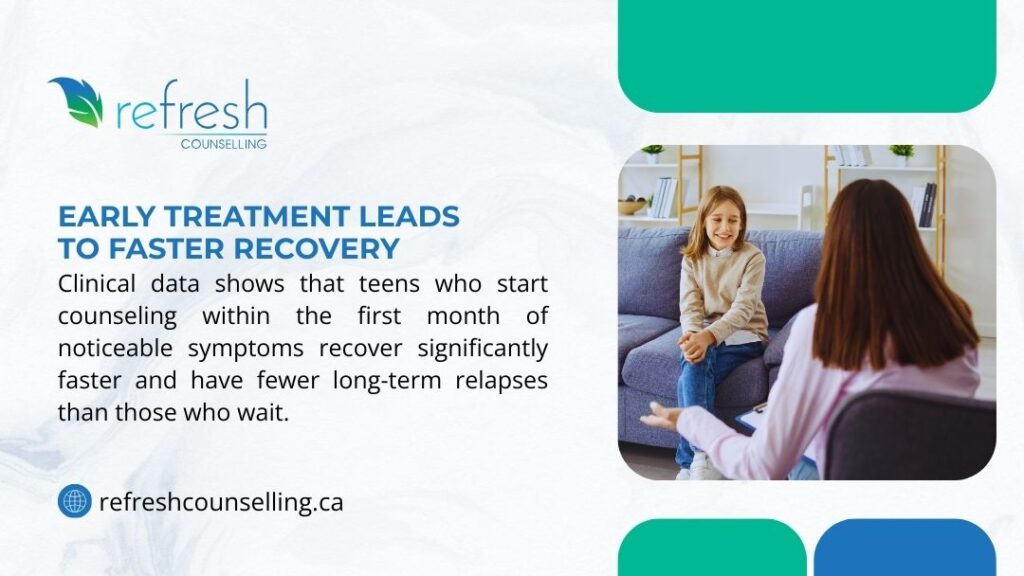
Cognitive Behavioral Therapy has been shown to have a positive impact on teen depression. This approach teaches practical skills for managing thoughts and behaviors that fuel depressive feelings.
Teens learn to identify negative thought patterns and develop more balanced ways of thinking. They also learn specific techniques for improving mood and motivation.
Most importantly, counseling gives teens tools they can use independently. The skills learned in therapy continue helping long after sessions end.
| What Counseling Addresses | How It Helps |
| Negative thought patterns | Develops more realistic thinking |
| Behavioral withdrawal | Increases positive activities |
| Problem-solving gaps | Builds confidence in handling challenges |
| Communication issues | Improves family relationships |
Family involvement often strengthens outcomes. Parents learn how to respond in ways that support recovery rather than accidentally making things harder.
Depression in teenagers responds well to counseling. Most teens see meaningful improvement within a few months.
Getting Support for Your Teen
At Refresh Counselling, we work with Calgary teenagers experiencing depression. Our therapists create comfortable spaces where teens feel safe discussing what they’re going through.
We focus on practical approaches that help teens recover the energy, interest, and connection that depression takes away. Treatment is tailored to each teen’s specific situation.
Depression doesn’t improve on its own and often gets worse without support. Teen counseling provides the professional support your teen needs to work through this difficult time.
If you’ve noticed signs of depression in your teenager, contact us today to schedule an consultation. Our intake process is straightforward and designed to make families comfortable from the first conversation.
Depression is treatable. With the right support, your teen can get back to feeling like themselves.