
Have you noticed some sudden behavior changes in your child and are now wondering what could be the cause of it?
“Why is my child acting out all of a sudden?” is the most common question that we get as child psychologists, and we have seen that many parents start panicking when it comes to behavioural changes of their kids.
Let us tell you that all children have times when they act out, and it is completely normal, especially in the younger ages, where their organs are still developing and experiencing growth.
So let’s take a look together at why your child is acting out and what you can do to support them through this period.
What Does “Acting Out” Really Mean?
Every child has a different way of acting out. When they are frustrated, some kids might hit or bite you. Other ones can scream, cry, and refuse to listen to your orders, or they might say no to everything you ask.
When your child behaves like this, we know that it can be exhausting and stressful, especially at a young age. But what you need to understand is that your kid is not trying to be mean; they just want to tell you something.
Why Do Children Act Out?
Children often act out because their behavior is a form of communication. At a young age, they don’t always have the words to explain what they want or how they feel, so their emotions come through in actions like crying, hitting, or throwing things.
While there are many reasons this might happen, here are two of the most common ones:
- To get something they want (attention, a toy, more time to play)
- To avoid something they don’t want (bedtime, leaving the park, eating vegetables)
Common Reasons Why Kids Act Out
Here are some common reasons that make kids act out:
- Physical Needs:
- They are hungry or thirsty
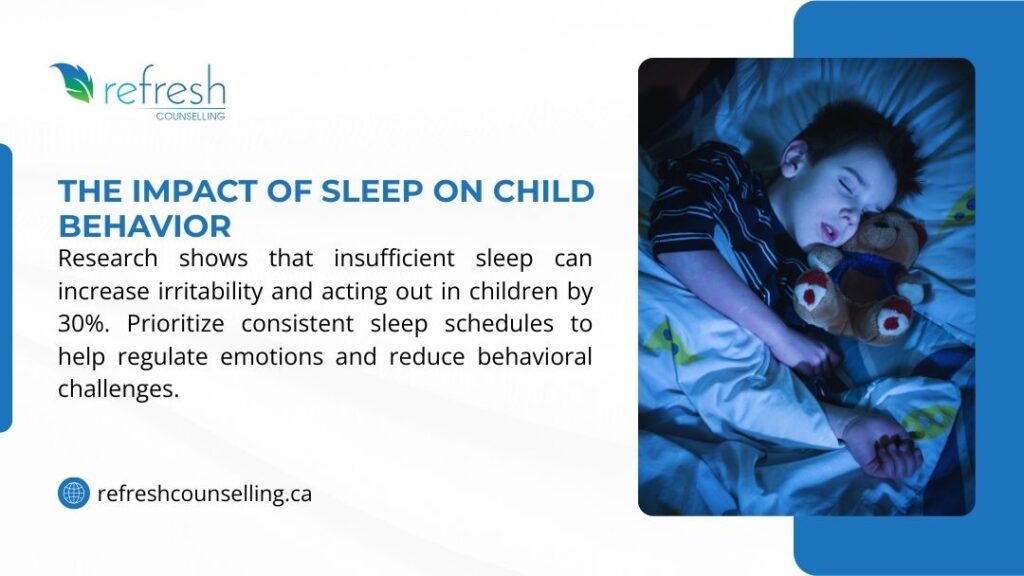
- Tiredness or overstimulation
- The child can be ill or in discomfort
- Emotional Needs:
- The kid can feel scared or anxious
- Sadness or frustration
- Anger or disappointment (this is especially common in older children – learn more about why teens get so angry)
- Environmental Factors:
- Loud noises or bright lights
- Crowded places
- Developmental Factors:
- Testing independence and boundaries
- Seeking attention from caregivers
- Learning to express emotions
- Normal developmental phases
- Situational Triggers:
- Changes in their lives (moving, new sibling)
- Stress from family situations
- Past success with the behavior
If your child is having trouble connecting with peers, this can also create additional stress that shows up as behavioral challenges, and you need to understand that these mental health breaks for kids over the summer can be especially helpful during transitions.
What You Can Try When Your Child Acts Out
The thing that we have noticed as child psychologists in new parents is that they always try to follow the approach of using strict punishments. If you think that’s the way to calm your kid, you are terribly wrong
Instead, here is what you can do when your child acts out:
1. Look for the Hidden Message
There is always a reason why your child starts to behave badly. Take a moment and think about what might be causing your kid to act out.
It can be because he/she’s hungry, uncomfortable, tired, anxious, scared, or maybe they are trying to get your attention.
2. Catch and Praise Good Behavior
Children who feel good behave better. Stop paying attention to them only if they act out; you should also try to notice when they are doing well.
Look for moments when your child is using good manners, playing nicely, or expressing their feelings appropriately. You might say, “Thank you for asking so nicely!” or “I love how gently you’re playing with your toys.”
This teaches your child that good behavior gets your attention, too. When children get positive attention for appropriate behavior, they’re more likely to continue acting that way
3. Stay Consistent with Limits
Children feel safer when they know what to expect. If bedtime is 7:30 PM, stick to it every night. If hitting isn’t allowed, don’t allow it even when you are tired.
Consistency helps reduce acting out because your child knows the rules and doesn’t need to test them as often.
Why Communication Beats Strict Discipline
We have seen many parents who try to be stricter when their children act out. But recent studies show that harsh discipline often makes children’s behaviour worse.
Let us compare strict discipline with a gentle approach:
| Strict Discipline | Gentle, Consistent Approach |
| Teaches fear, not understanding | Teaches emotional regulation |
| May stop behavior temporarily | Addresses the root cause |
| Can damage the parent-child relationship | Builds trust and connection |
| A child learns to hide feelings | The child learns to express feelings appropriately |
When It’s Good To Call In Reinforcements
Sometimes, acting out behavior needs extra support.
Consider reaching out to a professional if:
- Your child’s behavior seems very different from their usual personality
- Acting out is happening more often or getting more intense
- The behaviors are dangerous
- Your child takes a long time to calm down after acting out
- The behavior is interfering with daily life (school, family time, friendships)
The Goal Is To Build Better Communication with Your Child
You cannot eliminate every bad behavior that your child has. But what you can do instead is you can help your kid learn better ways to express their feelings and needs.
We always tell new parents that in this phase, their child goes through, they must remain calm because if they start losing patience, it will cause psychological problems to their child.
So instead of saying ”why is my child acting out all of a sudden,” you have to say “what is my child trying to tell me?”. Remember that every action of your kid has a message.
Refresh Counselling is recognized as one of Calgary’s top practices for helping families navigate challenging behaviors. We have helped parents understand their children’s needs and develop effective strategies that work.
Reach out to learn more!
Frequently Asked Questions From Worried Parents
- Why is my child acting out all of a sudden?
Kids often act out for some underlying reason. Your child may be experiencing a developmental stage, difficulty responding to a stressor associated with a change in their lives, or trying to express or communicate a need you are not aware of or addressing.
- Is it normal for my 3-year-old to suddenly start acting out more?
Children at this age are developing independence and testing boundaries. It’s a normal part of development, but it can be exhausting for you as a parent.
- How long should I expect acting-out behaviors to last?
Most acting-out behaviors last 2-4 weeks. Your child is an individual, and different ones may need different amounts of time and support.
- Should I ignore my child when they’re acting out?
No, you should not ignore your child’s acts. Stay calm, understand their feelings, and guide them to better ways to communicate their needs.